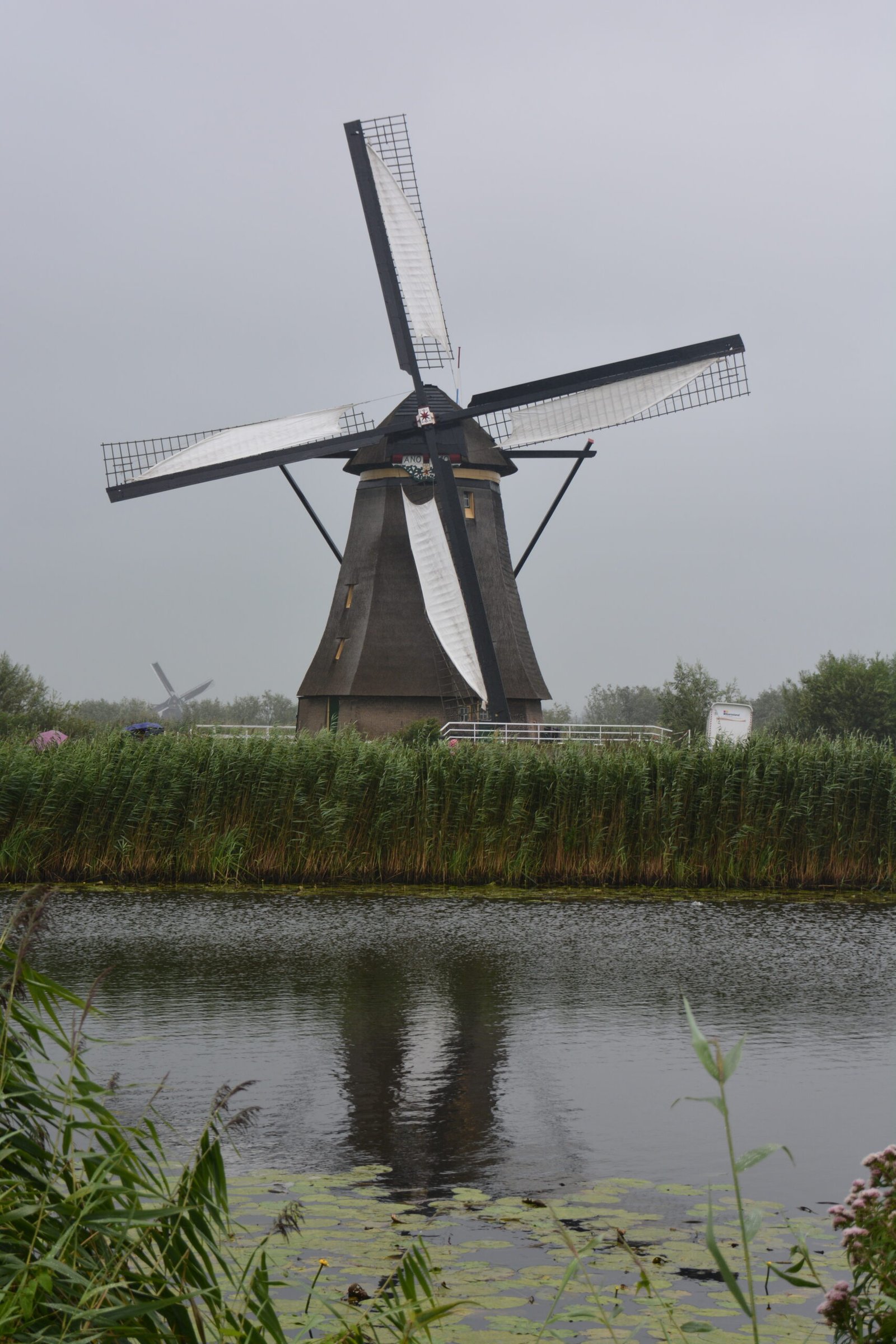
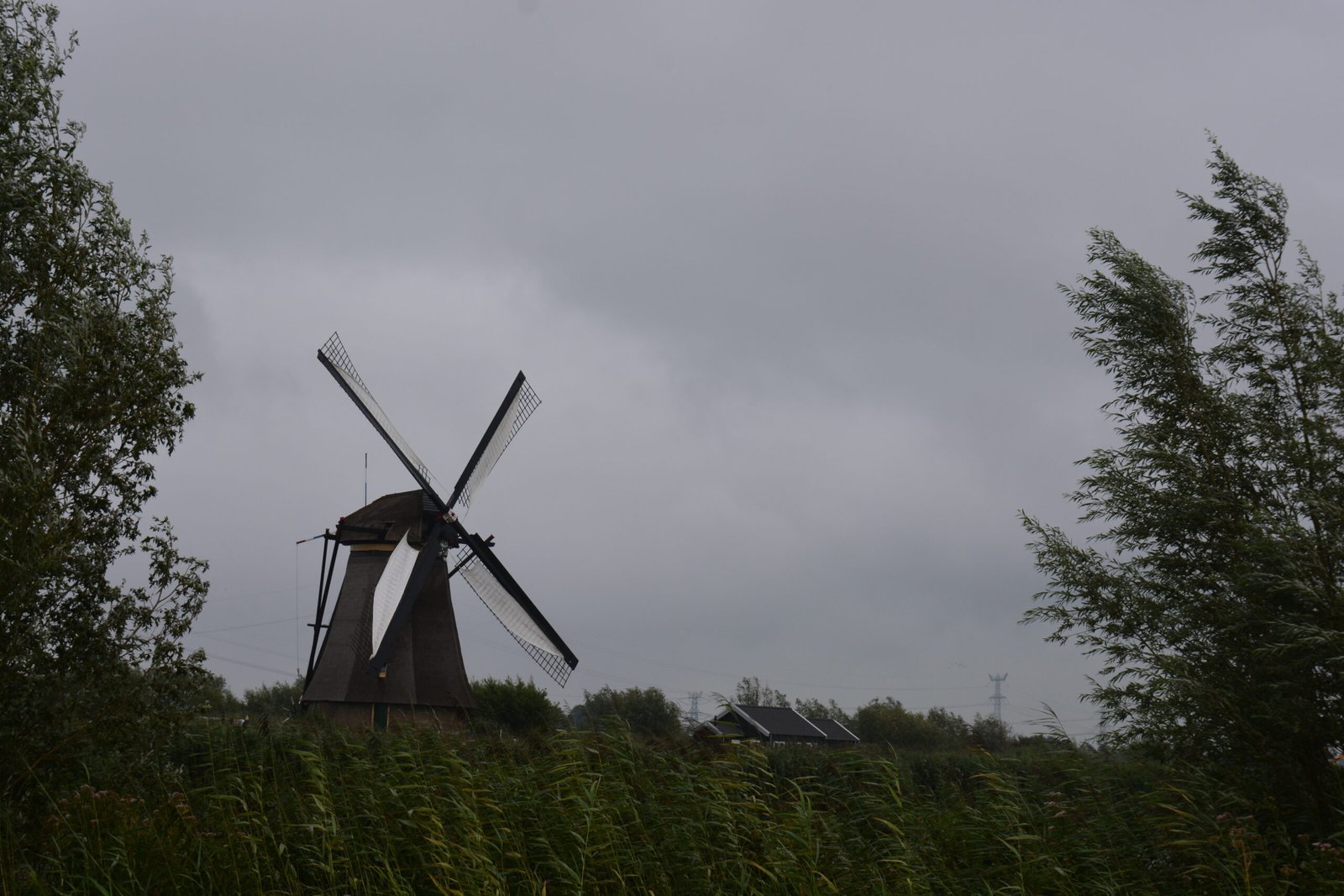
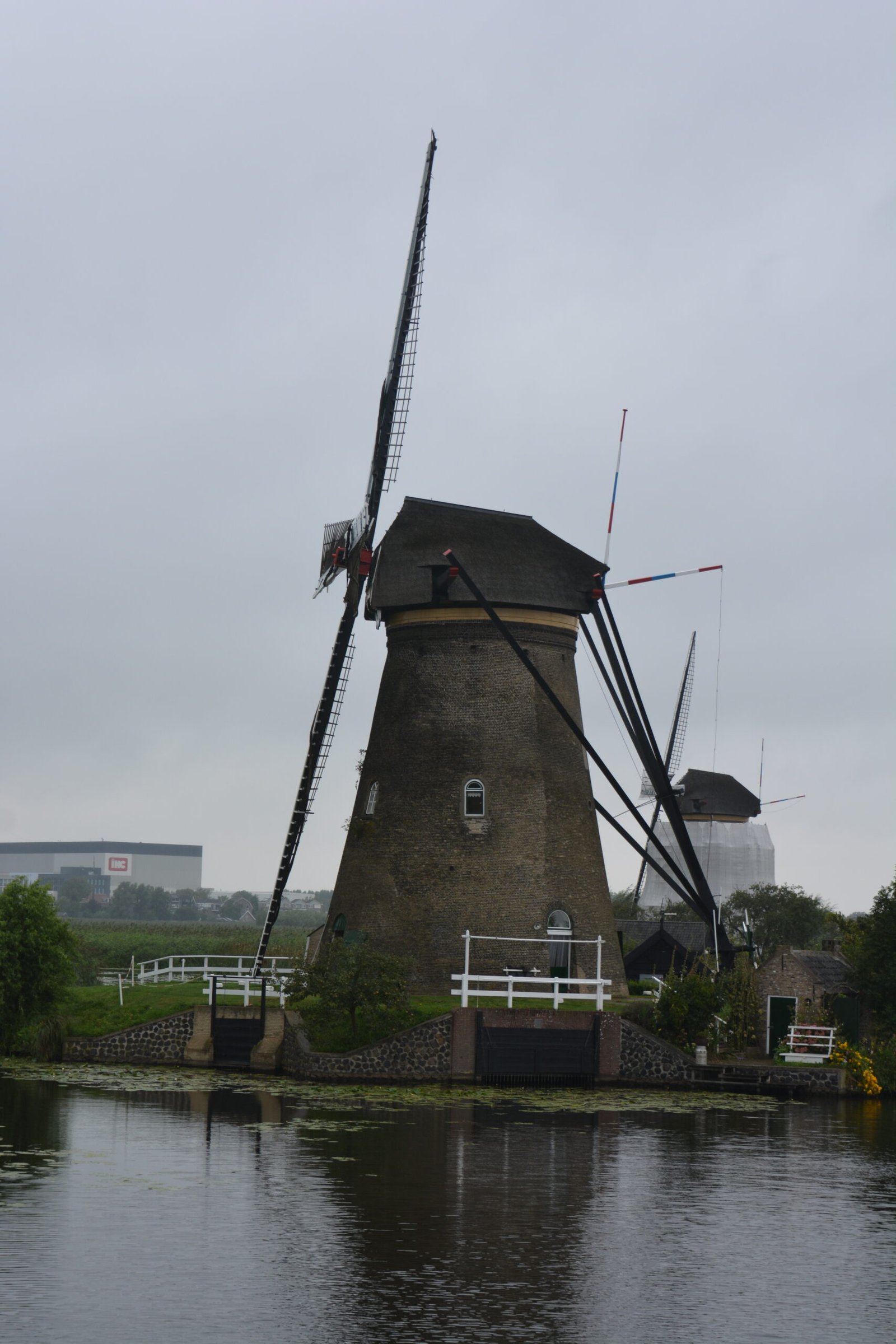
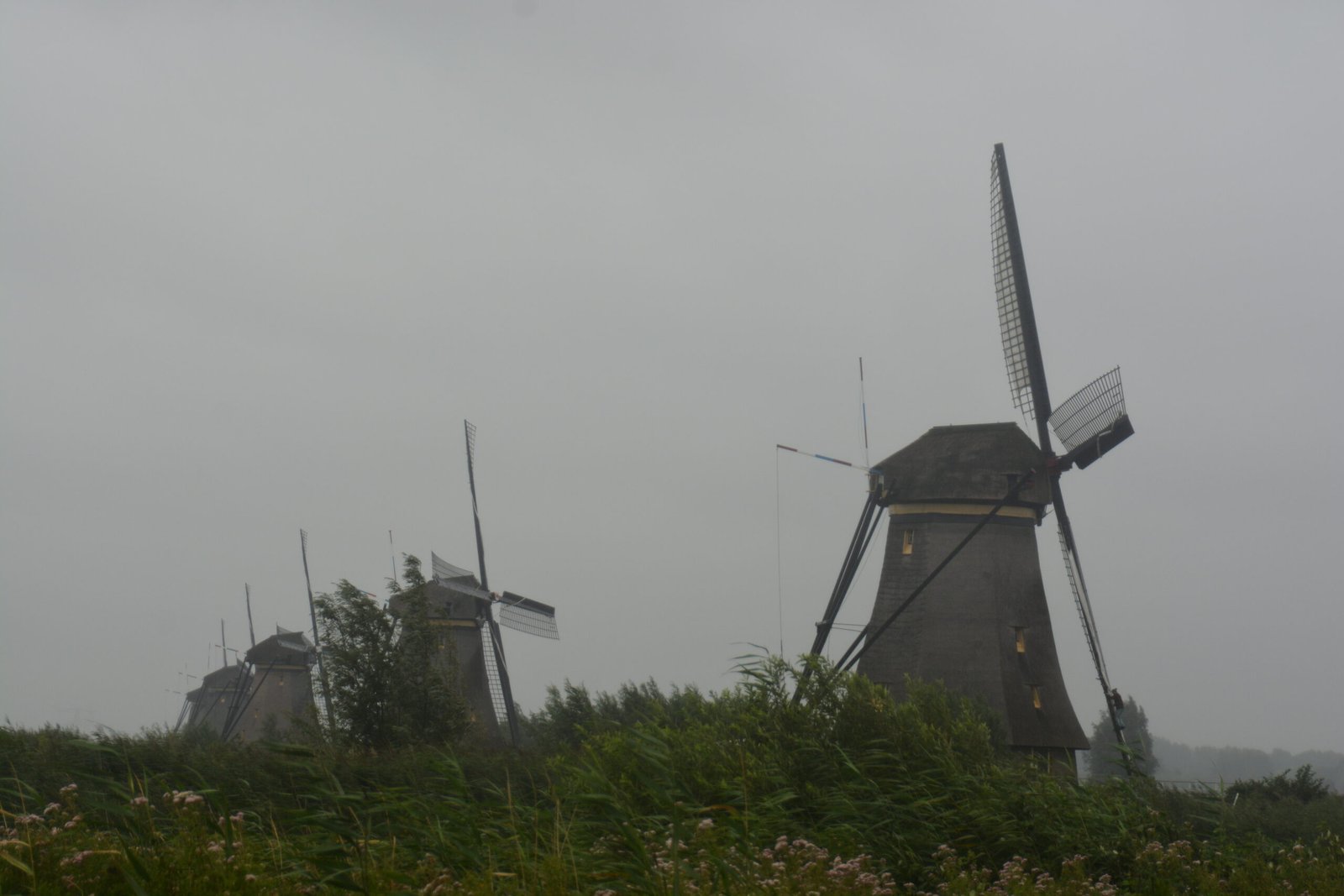
When I was growing up, we had a framed photograph hanging in our hallway showing a line of Dutch Windmills majestically placed along a canal. On bottom was the word “Kinderdijk.” After years of seeing that photo I knew I’d one day have to go see those windmills for myself.
So, the Kinderdijk is part of the Netherlands, not Germany. During our 2019 trip we drove a big loop from Mainz up into the Netherlands specifically to see the windmills. We were not disappointed, even though it was once again raining during our visit. But, rain brings out the best color in outdoor photographs, so it’s all good.
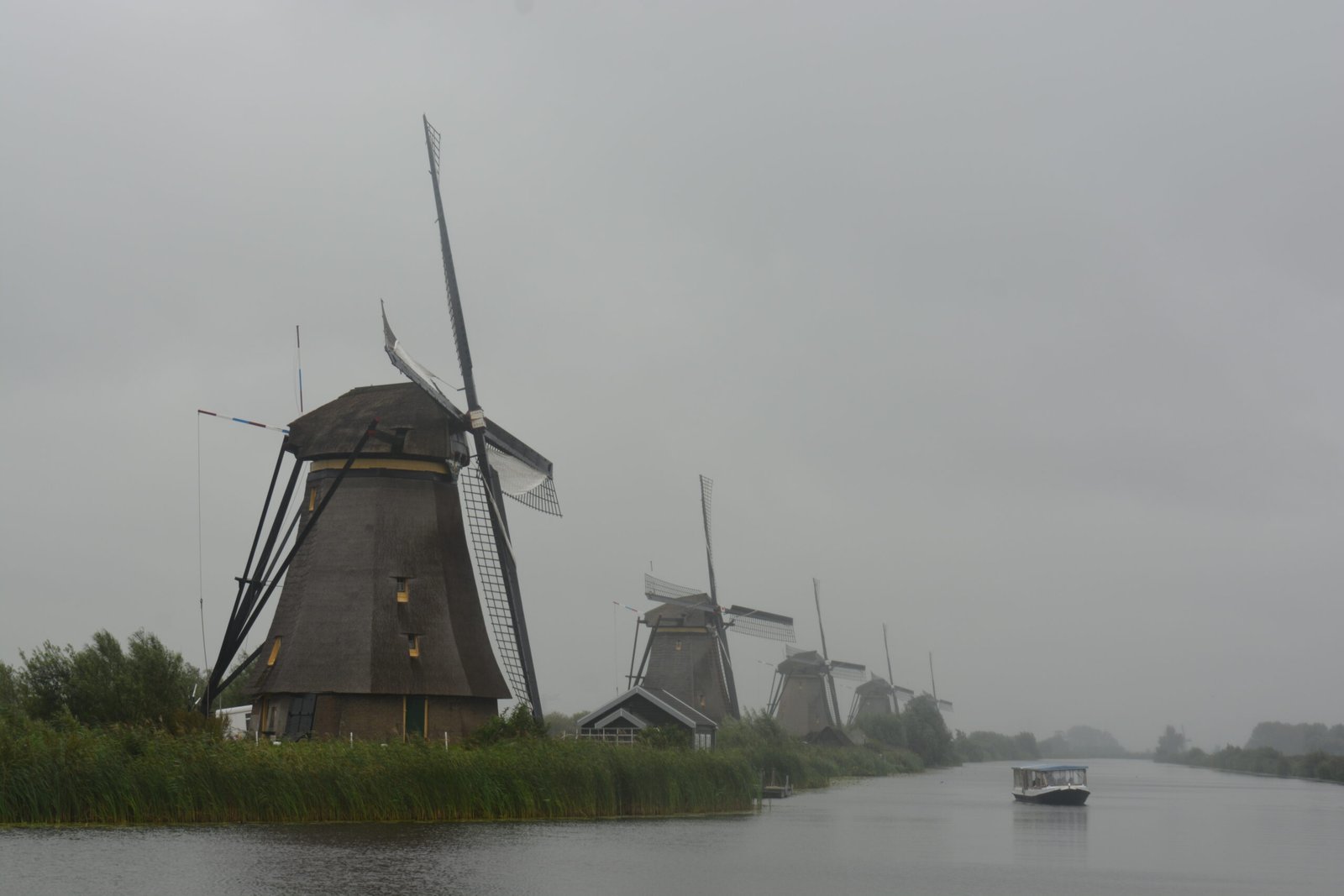
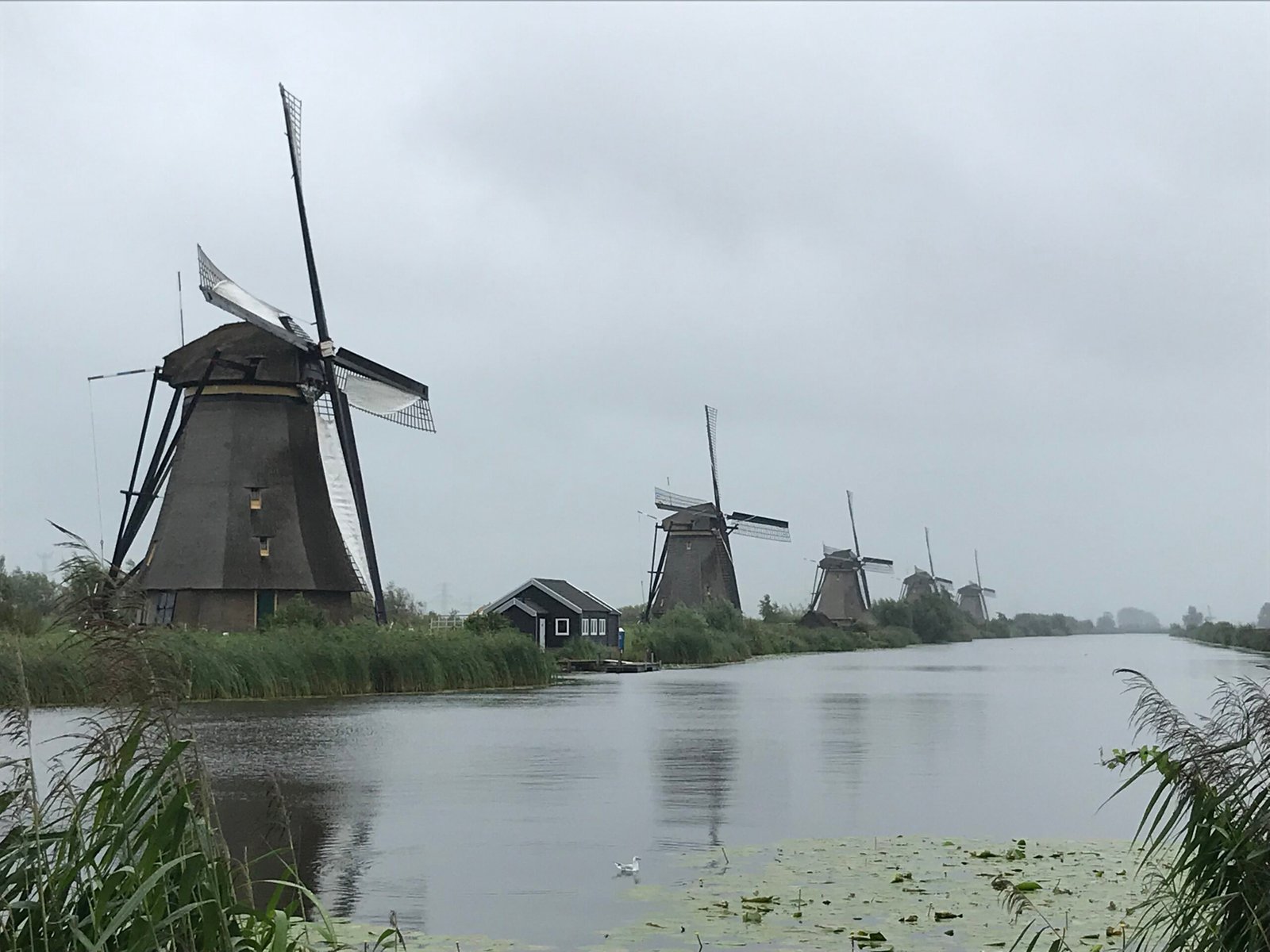
Located about 9 miles east of Rotterdam, Kinderdijk is situated in the Alblasserwaard polderPolderReclaimed land. A low-lying tract of land that forms an artificial hydrological entity, enclosed by embankments known as dikes. Polders are at risk of flooding at all times, and care must be taken to protect the surrounding dikes. at the confluence of the Lek and Noord rivers. To drain the polder, a system of 19 windmills was built around 1740. This group of mills is the largest surviving concentration of old windmills in the Netherlands. Today, most drainage is done with huge diesel-powered pumps, but the windmills are still working and used as backups for the pumps.
This is my small collection of photographs of the Windmills of the Kinderdijk.
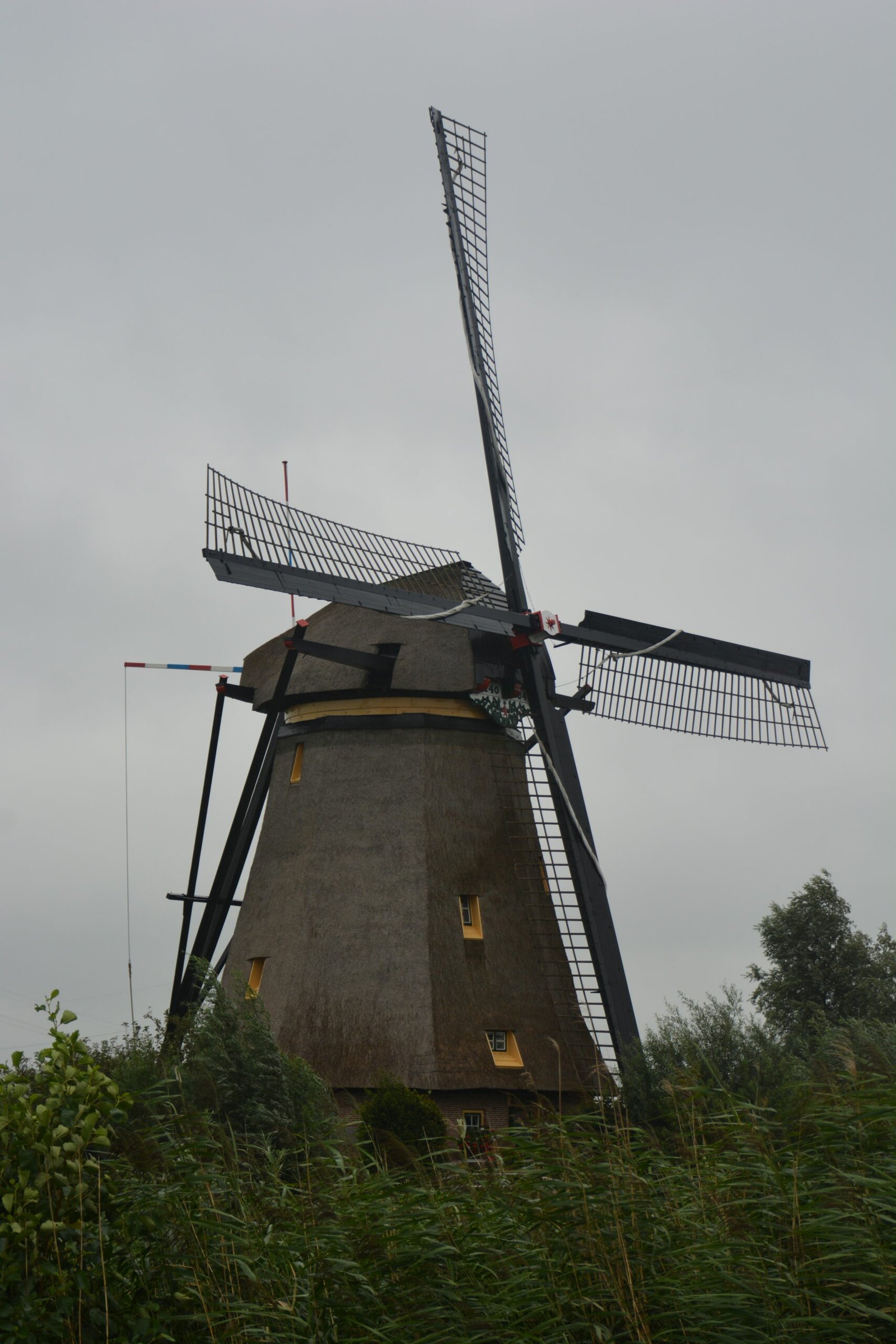
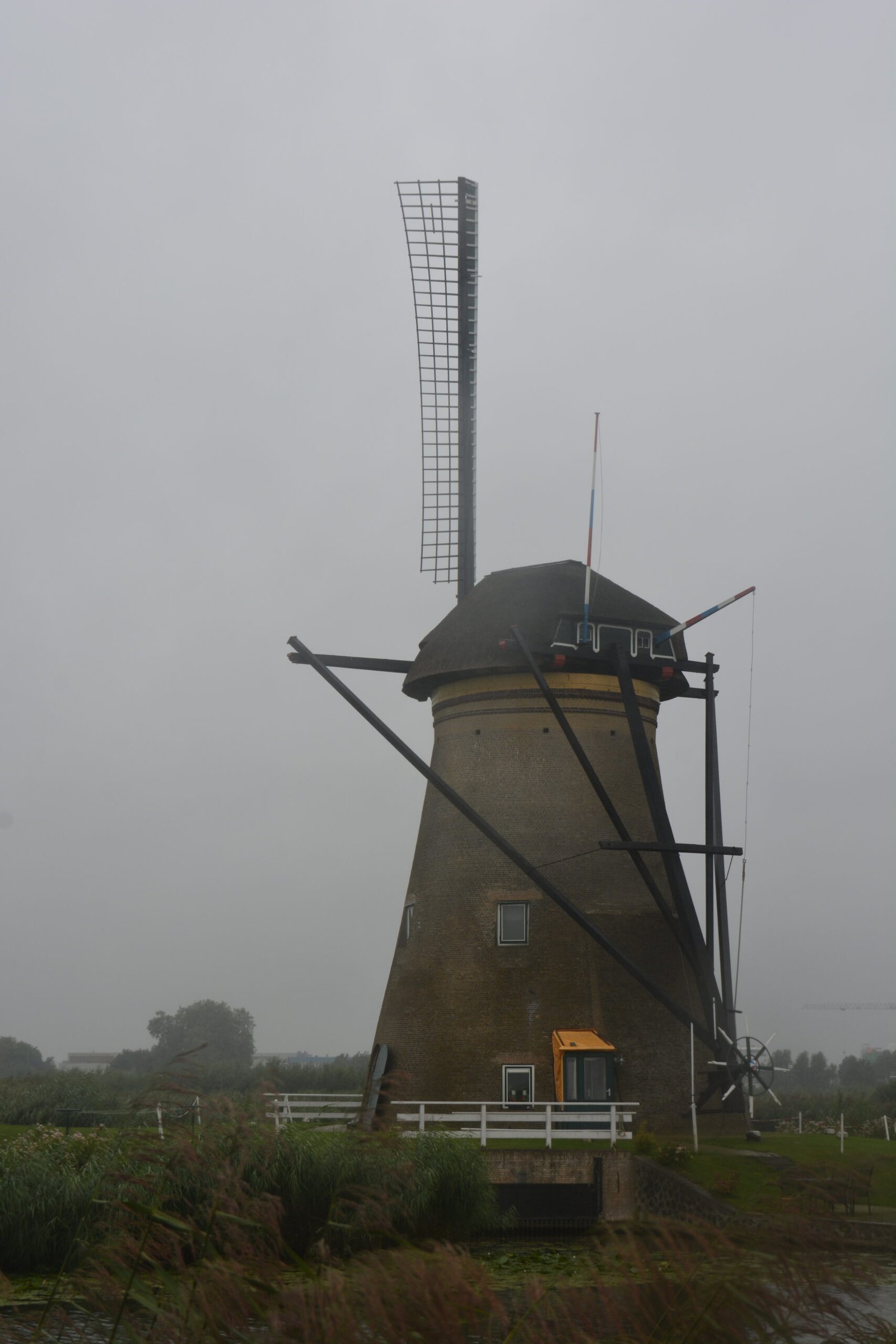
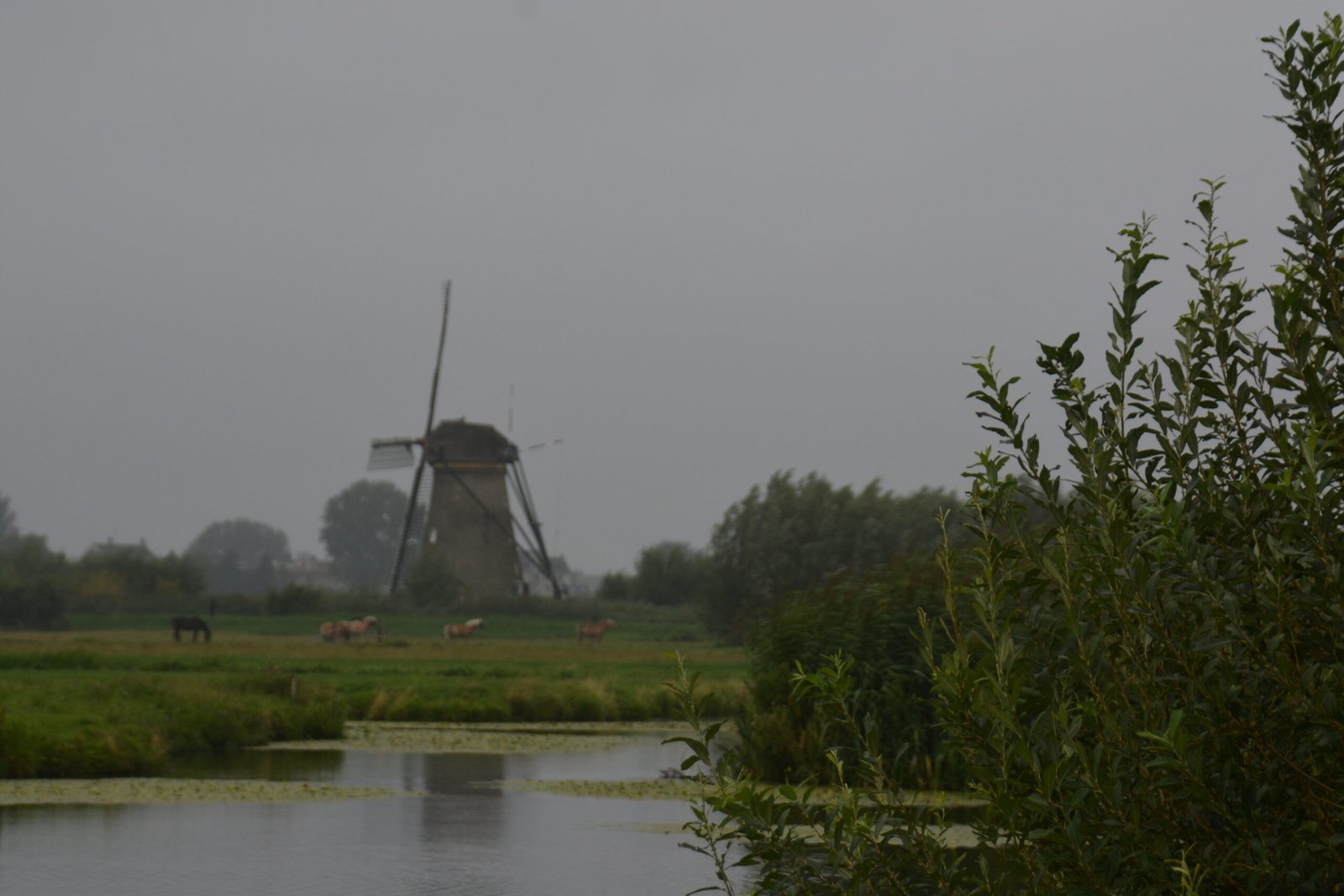
A lone windmill keeping guard over it's section of plodder
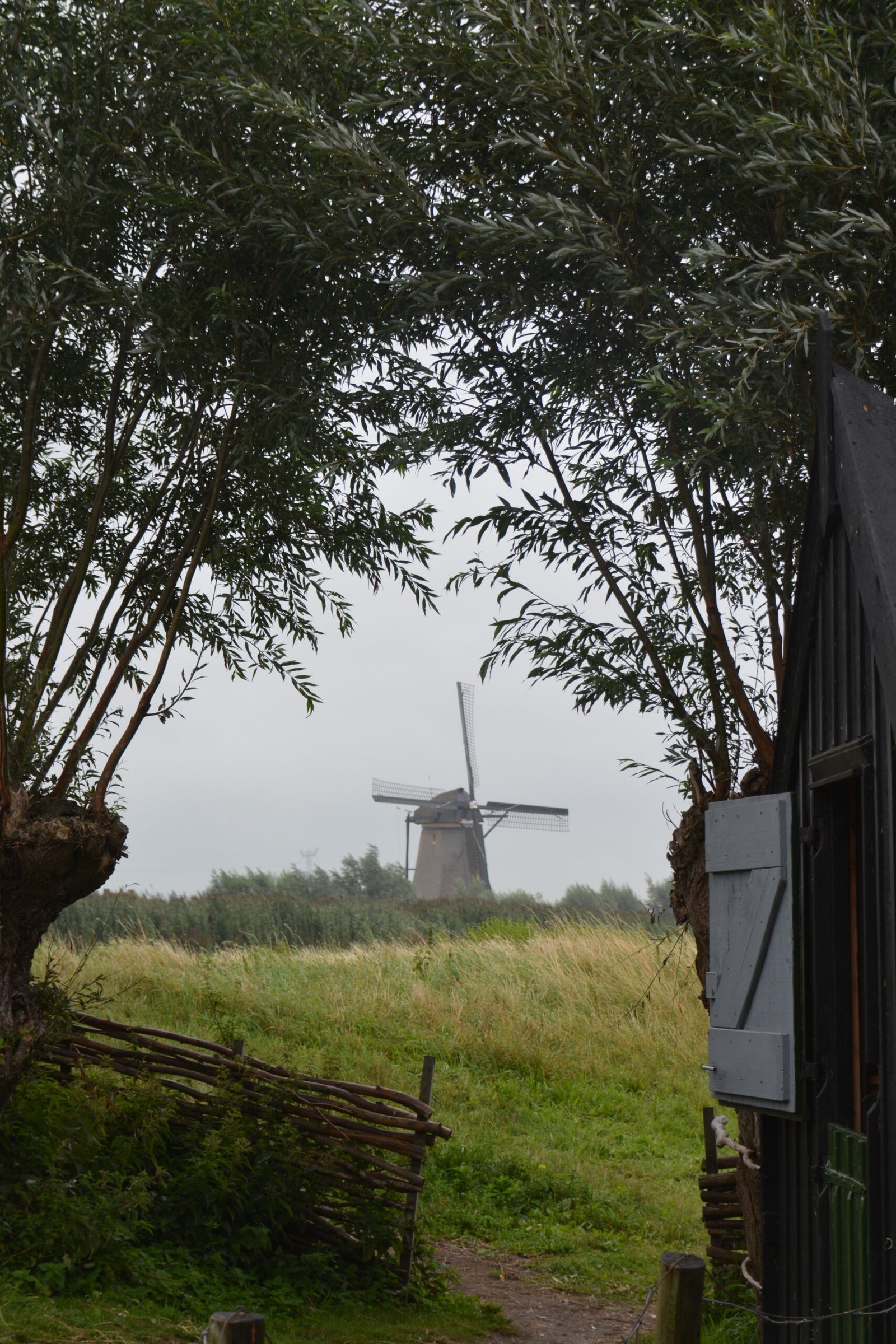
A View of a Windmill
Looking across the canal at a windmill used to provide water management of the plodder.
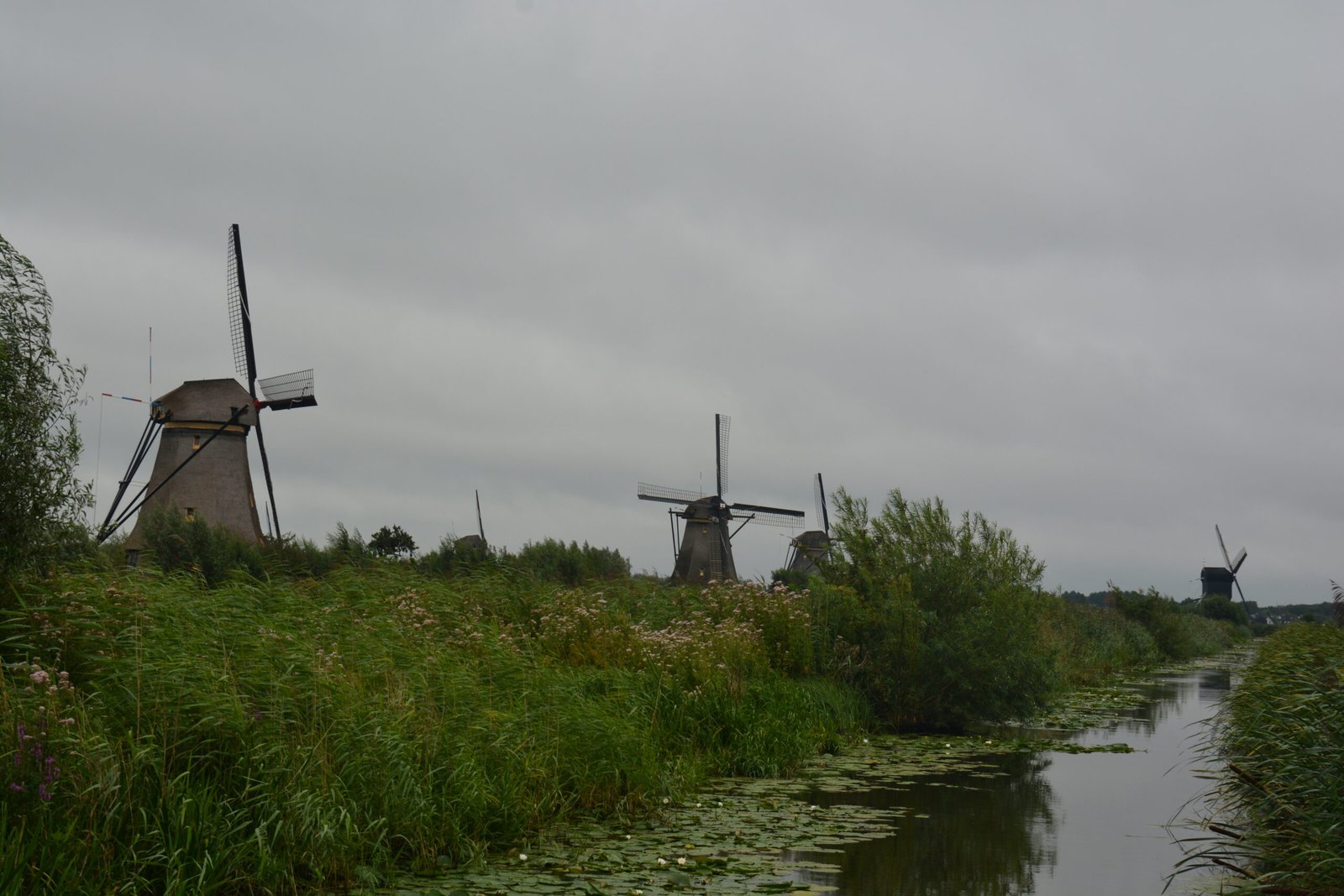
Windmills In A Row
A Row of Windmills Facing Into The Prevailing Winds. The top portion of each windmill is rotated by the mill keeper to keep the sails facing into the wind.
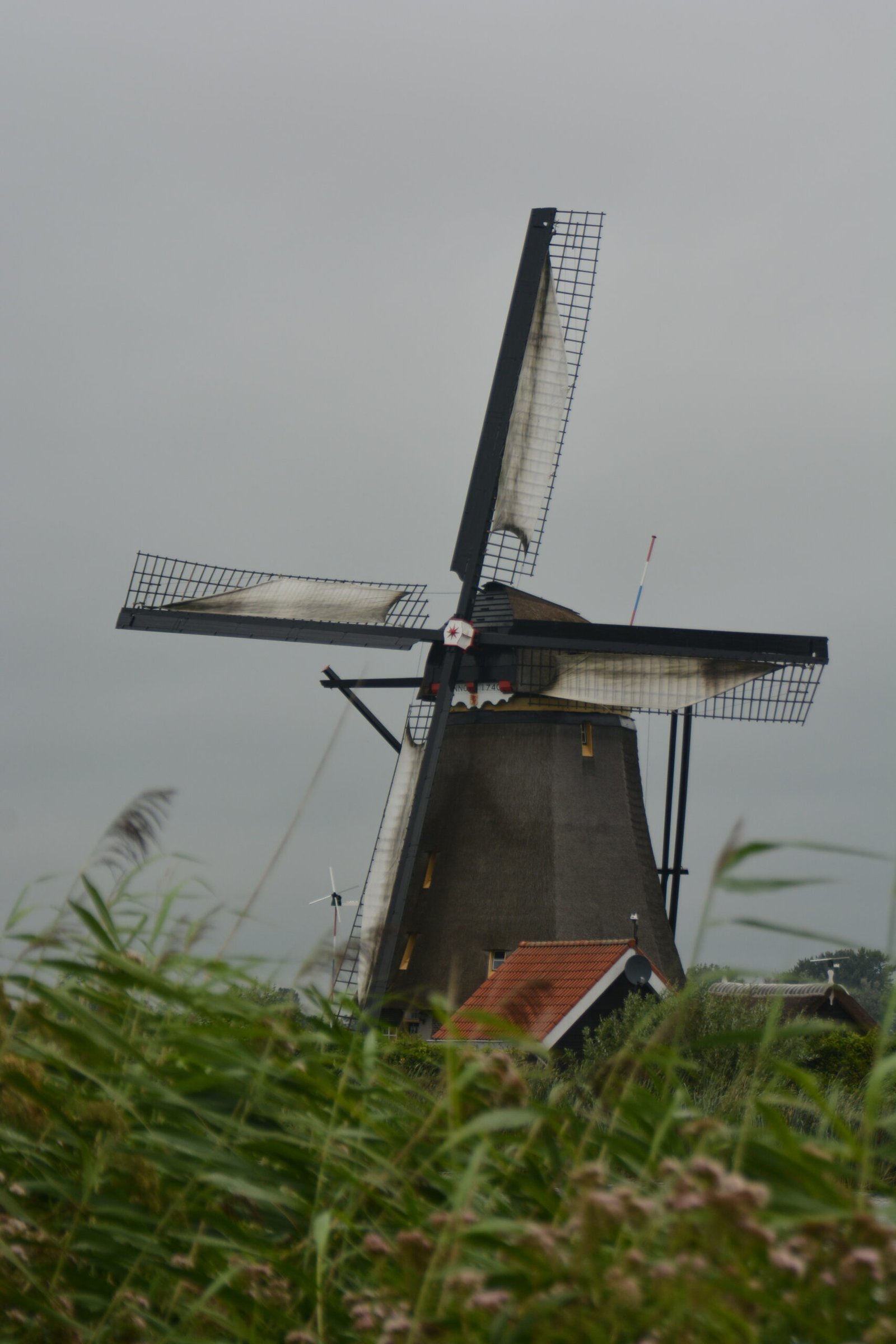
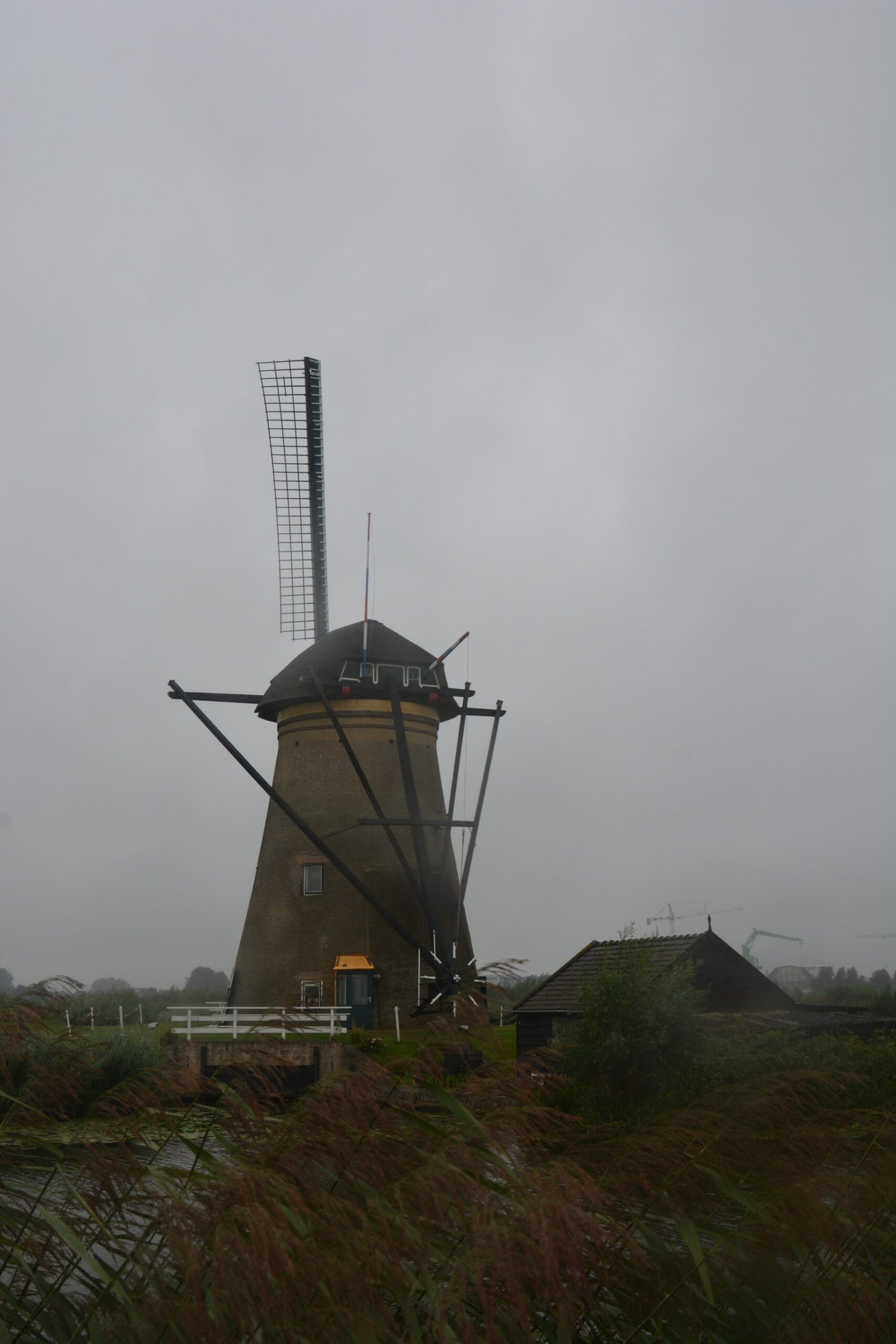
A View of a Windmill
A View of a Windmill
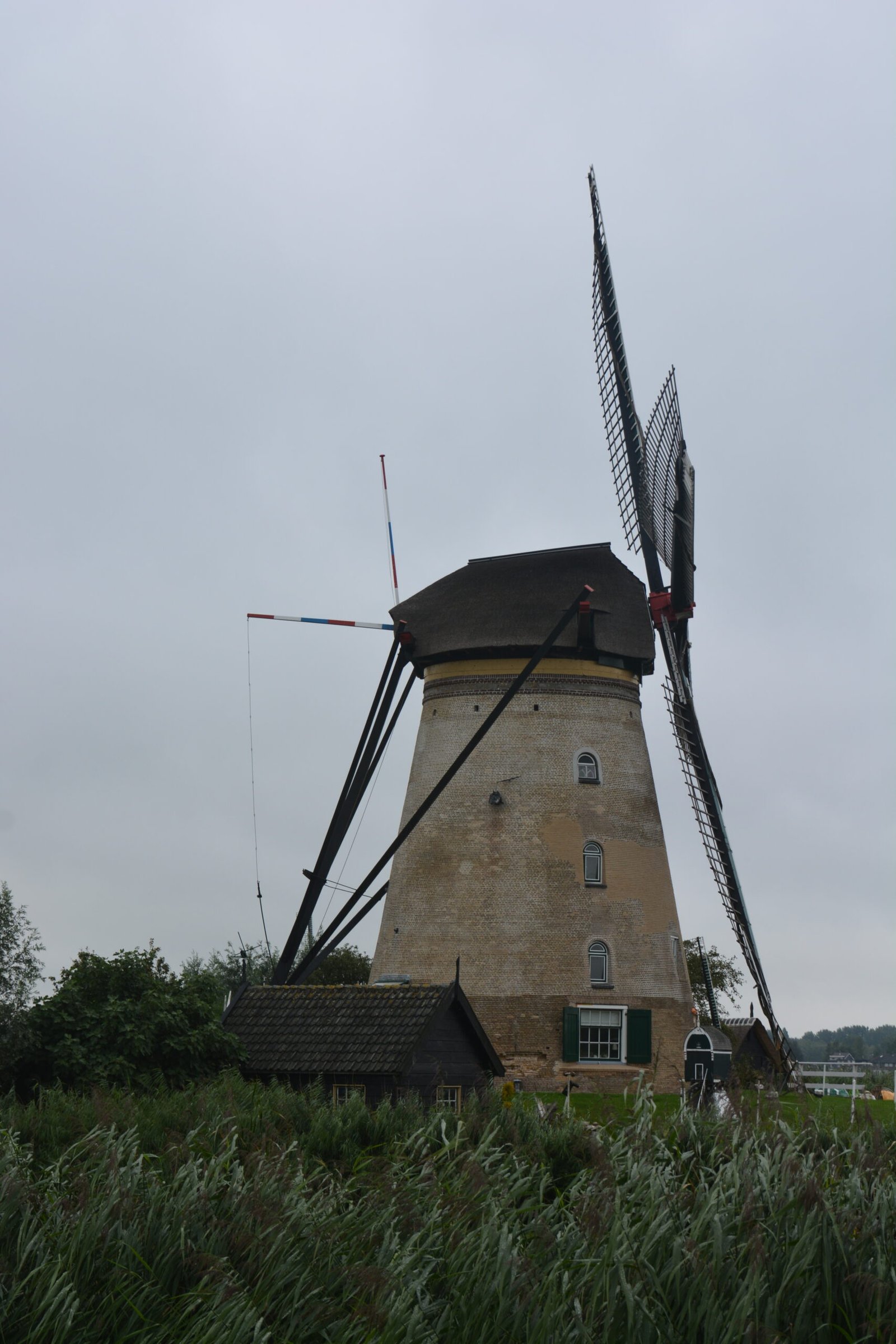
Windmill and Keepers House
These windmills are categorized as "ground sailers" because their sails come very close to the ground. The "arms" are referred to as sial, not "blades" as with modern power-generation turbines. These large sails create teh necessary torque to pump the necessary volume of water.
Looking Down a Windmill Canal
Looking at windmills lining a side canal
View of A Windmill
Another of the nineteen windmills of the Kinderdijk
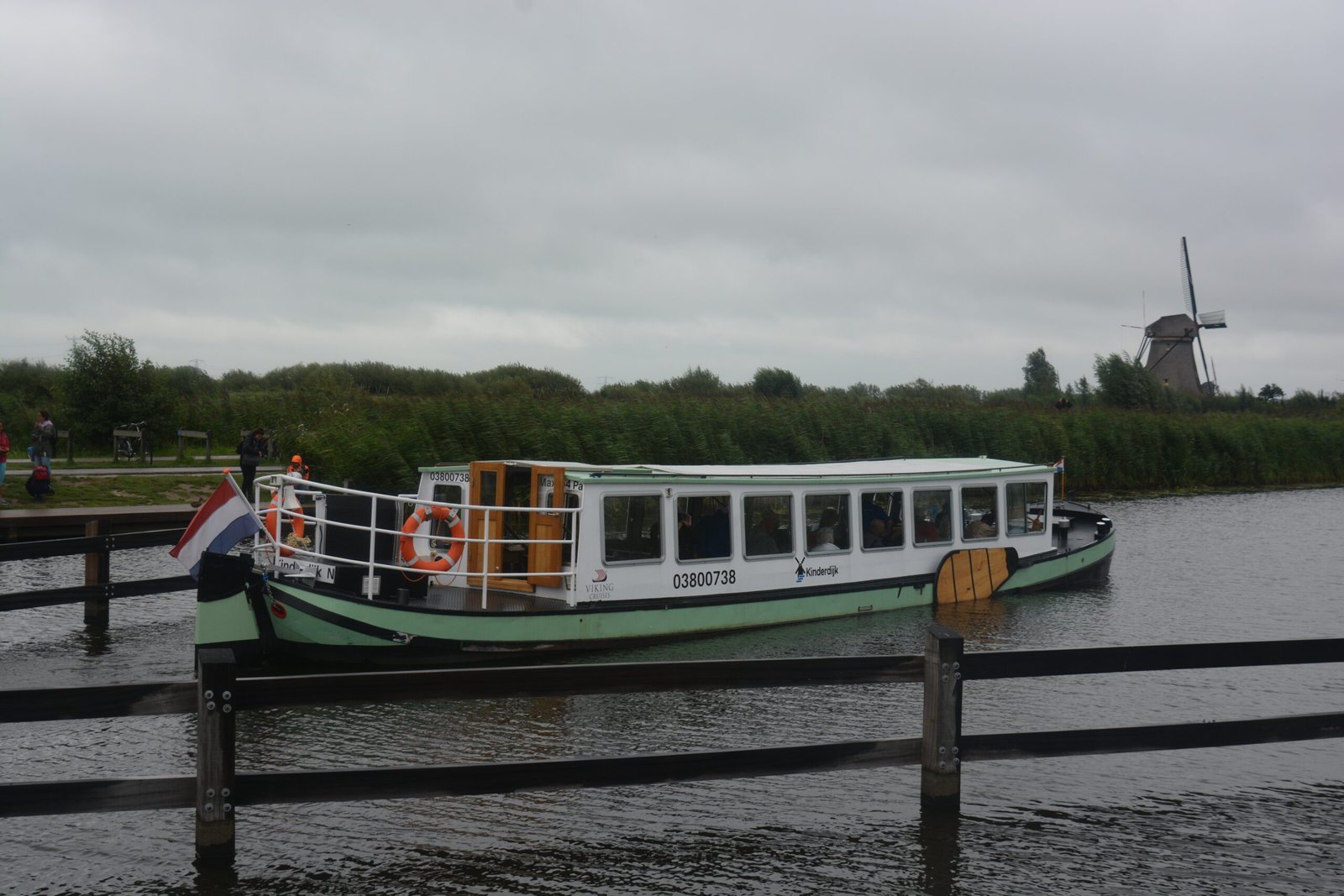
A Canal Boat in The Kinderdijk
A canal boat taking on passengers for a water-view of teh nineteen canals of the Kinderdijk
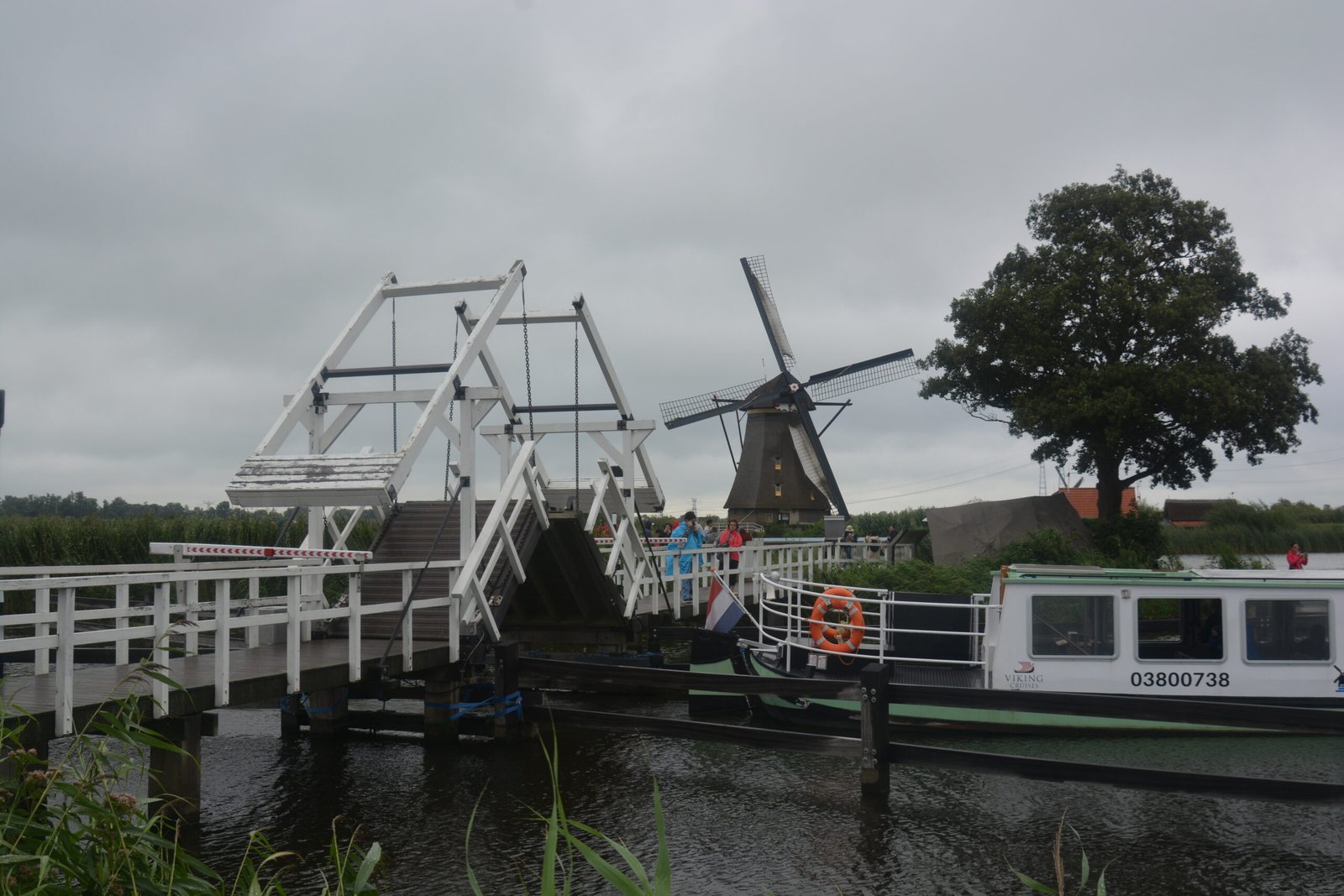
A Drawbridge and a Windmill
A drawbridge for pedestrians to cross over the canal while a canal boat takes on passengers.
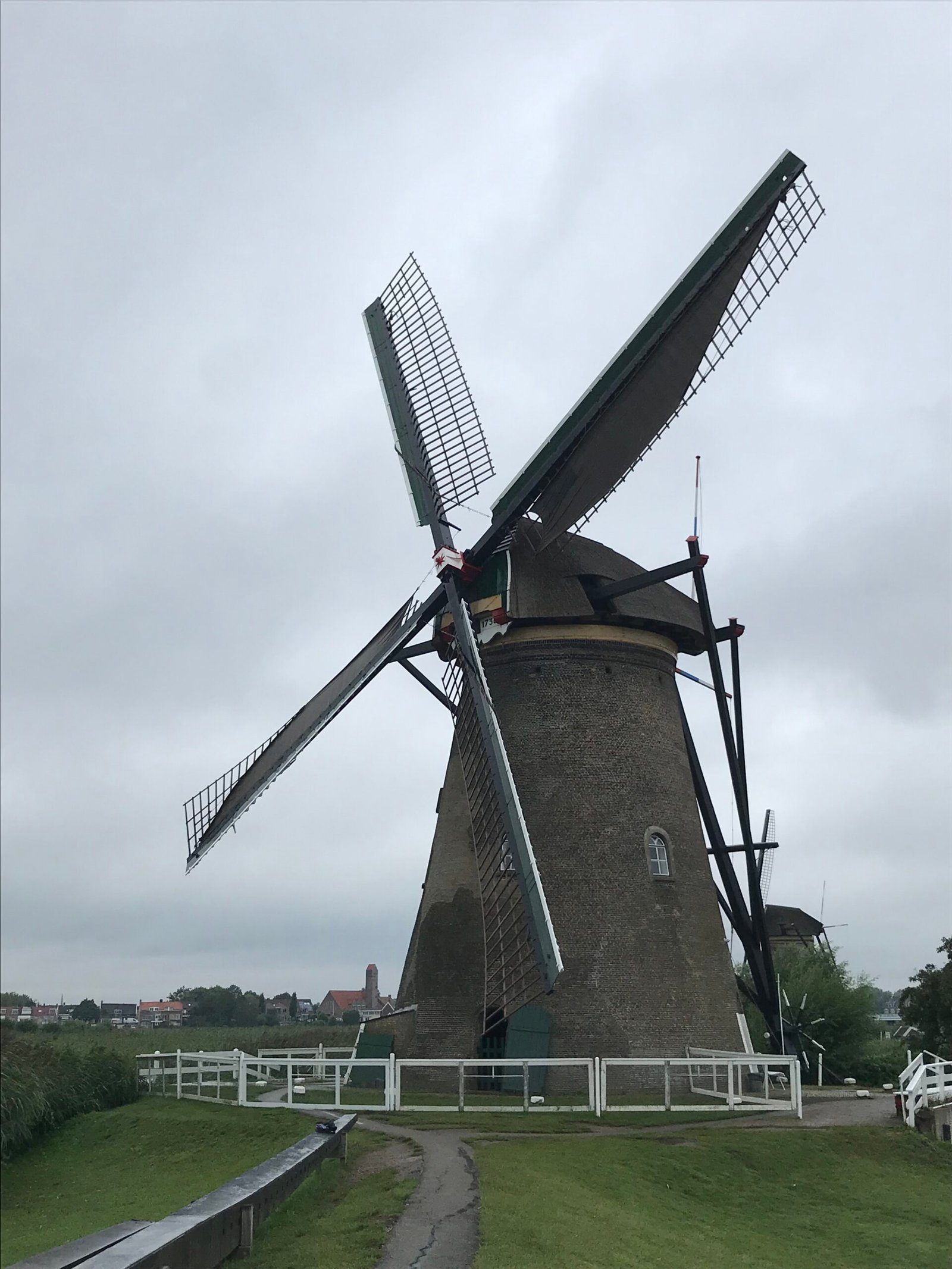
A View of Nederwaard Molen No.2
This is a stone-based "grondzeiler" windmill, specifically identified as Nederwaard Molen No.2. There are 19 windmills in Kinderdijk, all built around 1740 to pump water from reclaimed land.
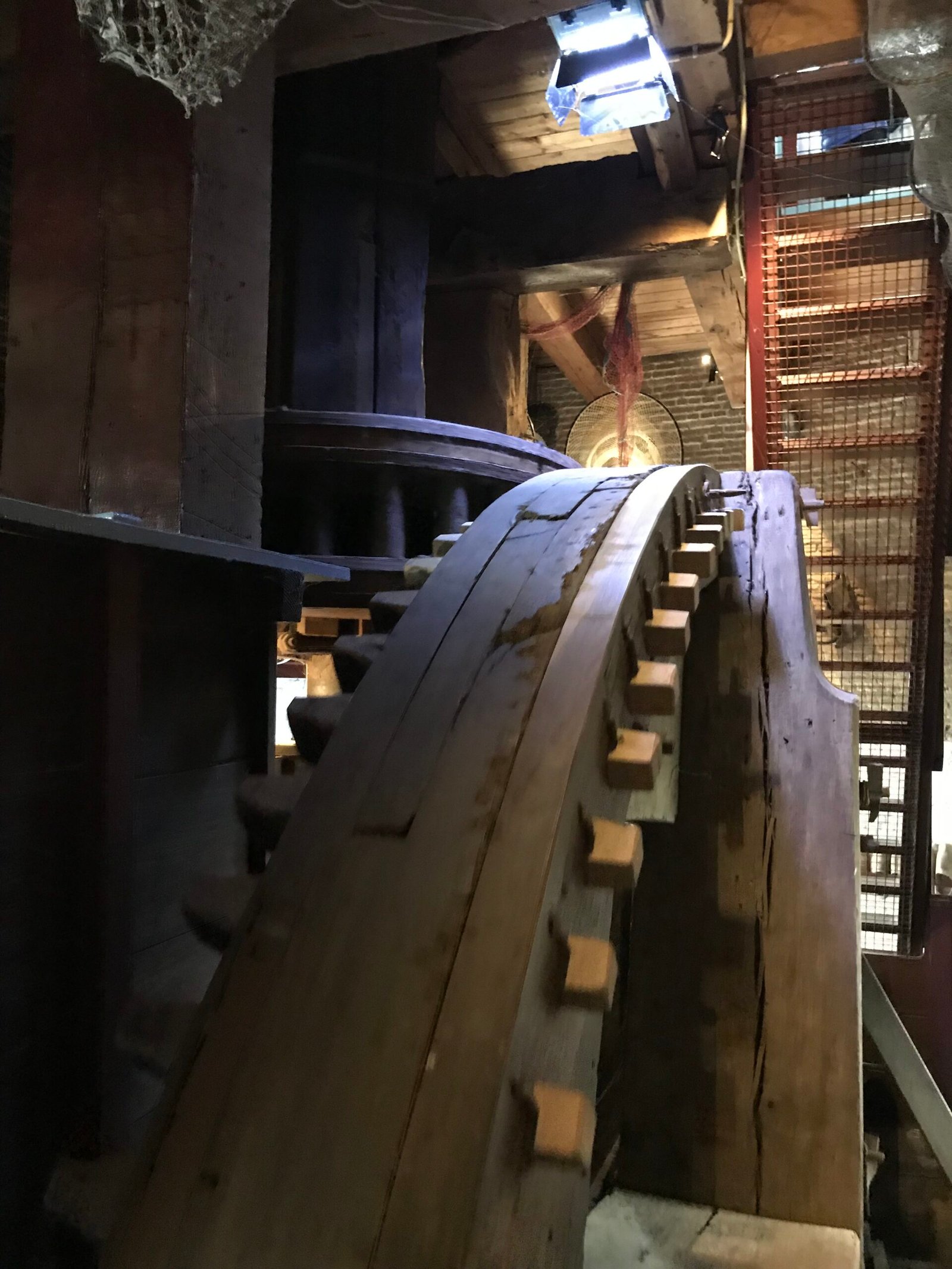
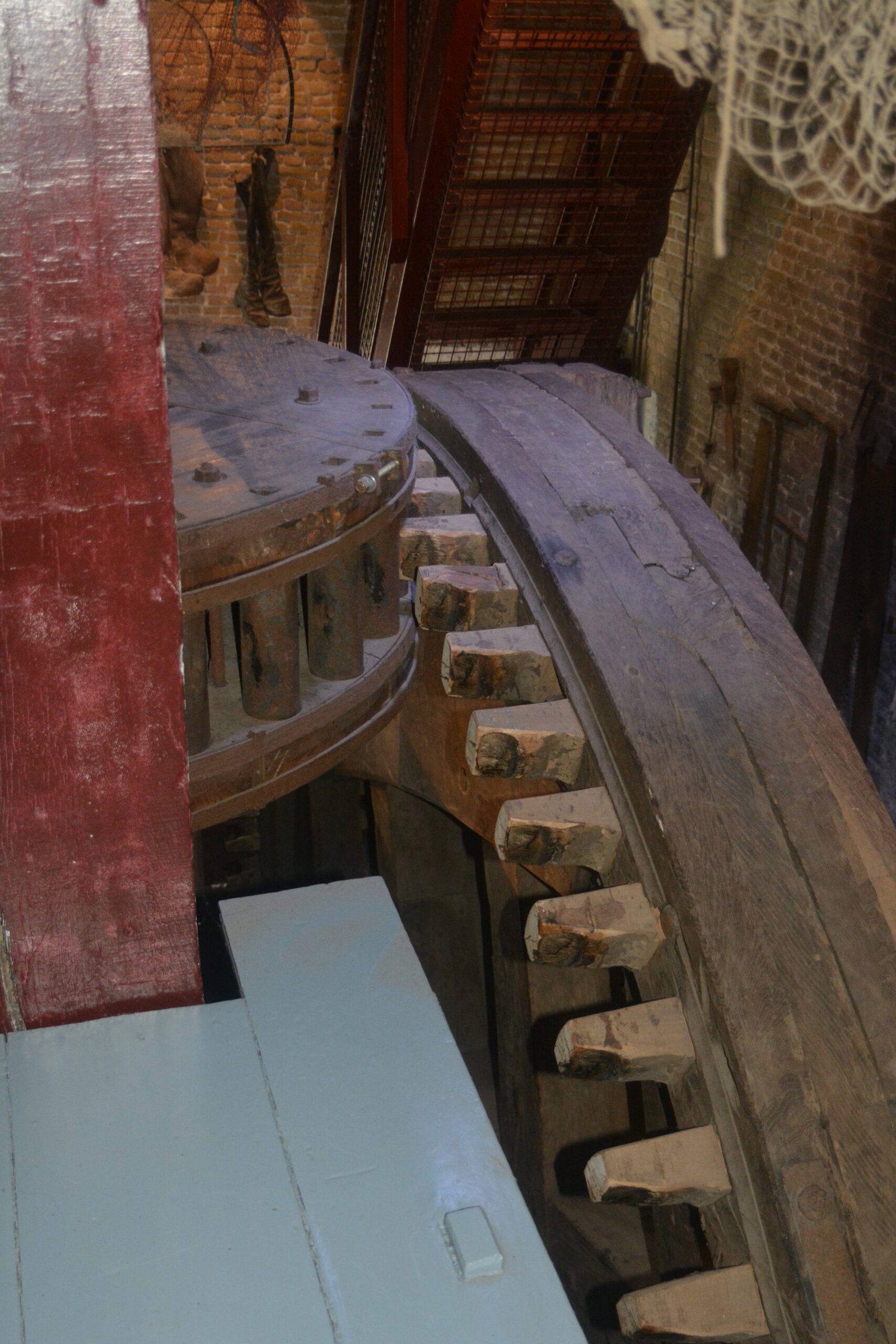
The Cogwheel (or Brake Wheel)
The large curved wooden structure is part of the gear system, specifically the cogwheel (or brake wheel) that converts the horizontal motion of the sails into vertical power.
The Main Brake Wheel and a Wallower
Interior view of a windmill open to the public, showing the huge wooden transmission gears. The motion from the windmill sails are transmitted to a vertical pole running down to the bottom of the structure, where the archimedes water pump is located. These specific gears are known as a main brake wheel and a wallower.
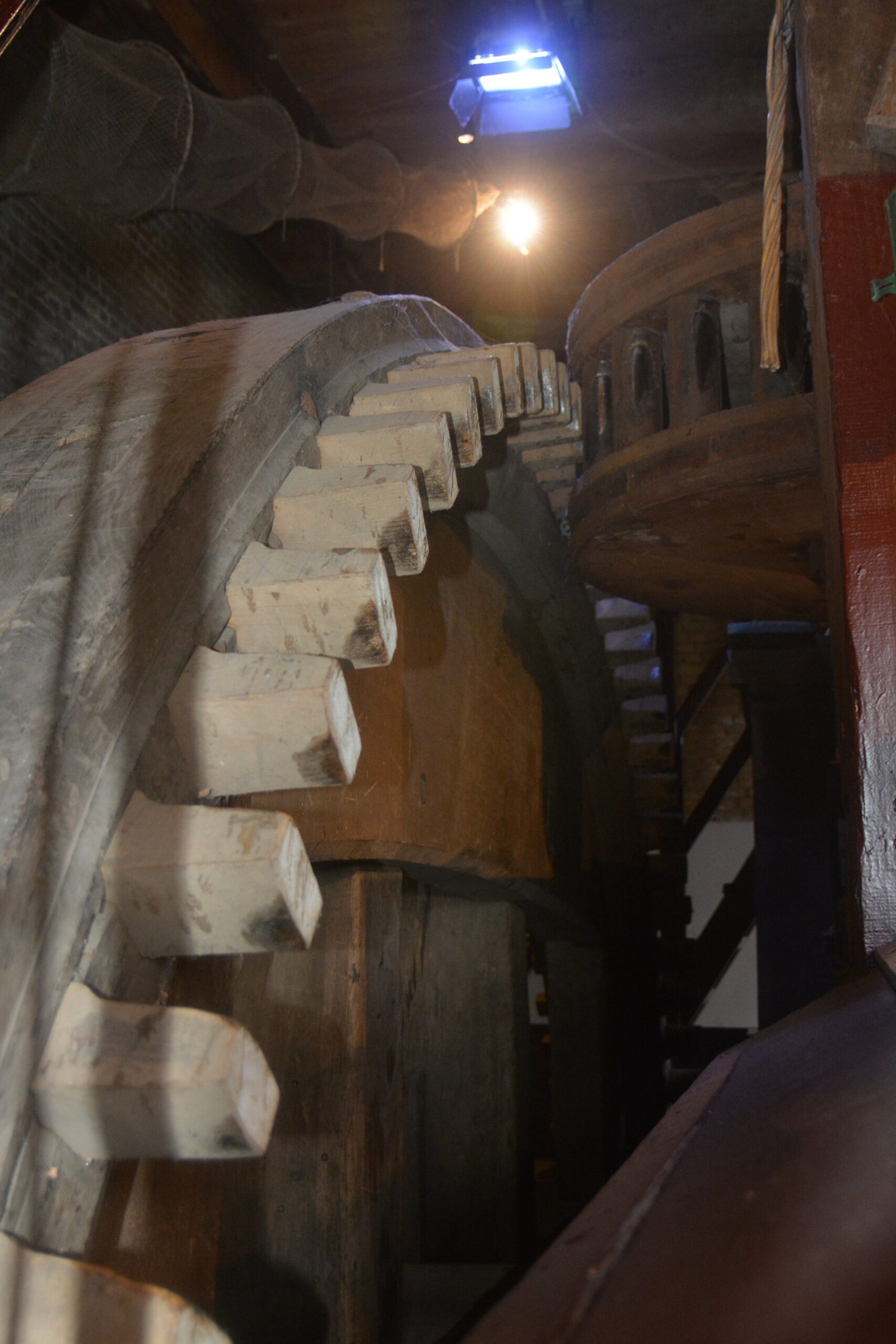
The Brake Wheel and Lantern Pinion
Interior view of a windmill open to the public, showing the huge wooden transmission gears. The motion from the windmill sails are transmitted to a vertical pole running down to the bottom of the structure, where the archimedes water pump is located. The large, toothed wooden gear on the left is the brake wheel, designed to transfer power from the windshaft and allow the mill to be stopped. The smaller, cylindrical wooden gear on the right is the lantern wheel or wallower, which meshes with the brake wheel to transfer rotational energy downward.
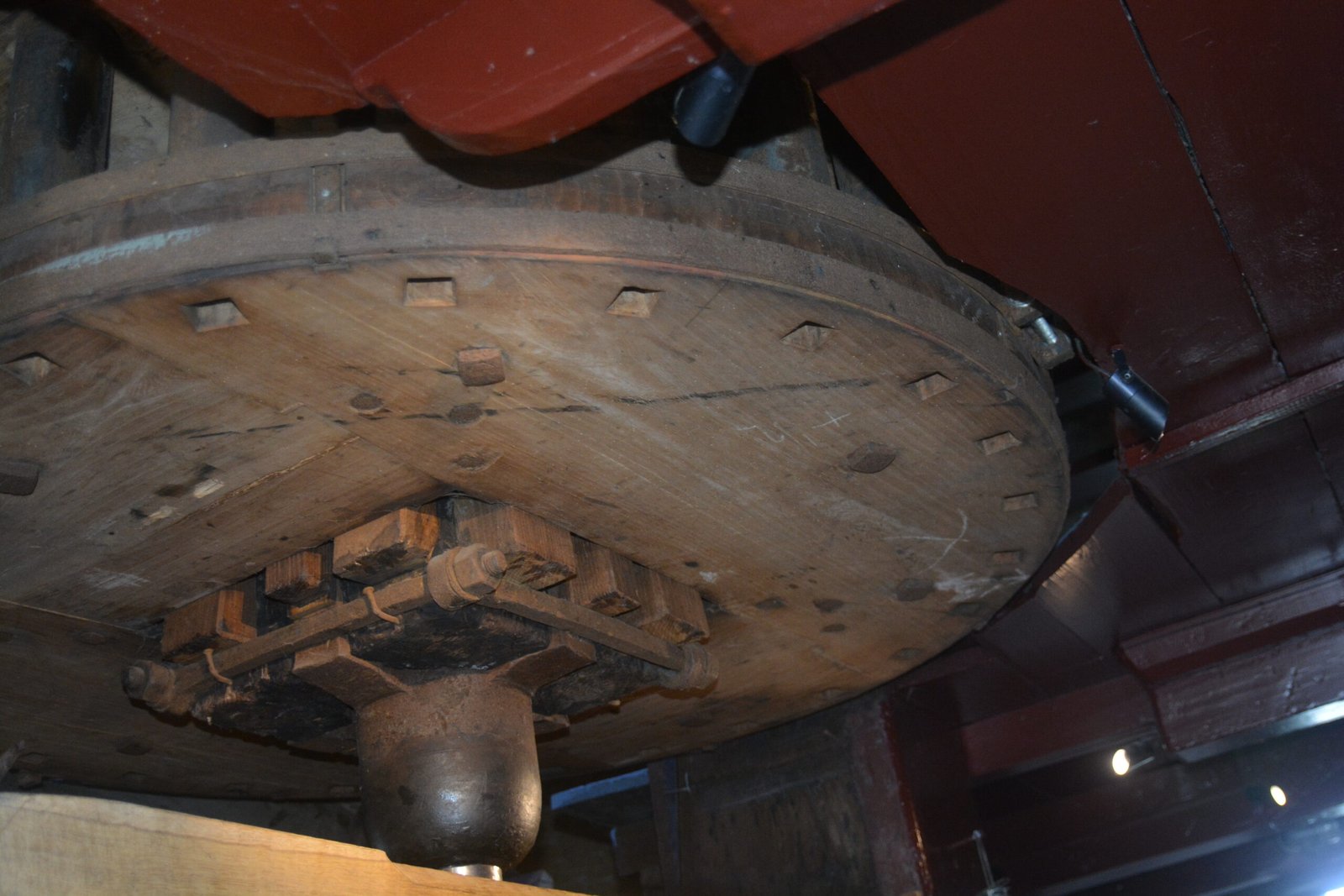
A Great Spur or Crown Wheel
This is the bottom of the vertical shaft terminating in the great spur or crown wheel. This interacts with other wooden gears (like the wallower) to drive the water pump. Wooden gears are able to withstand the necessary torque required for driving the huge archimedes pumps.
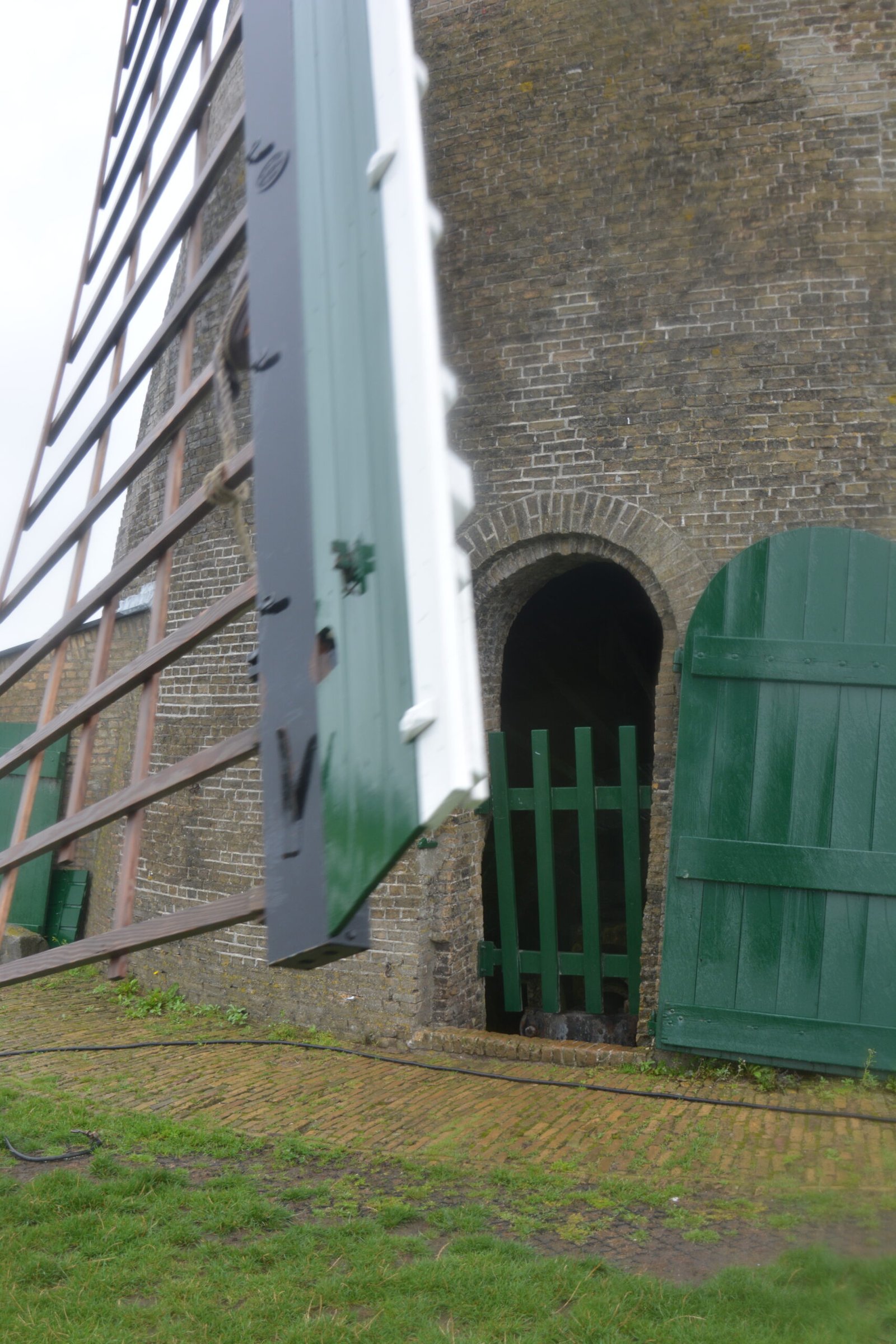
A Sail and A Door
Capturing one of the windmill "sails" compared to a door entrance into a windmill base. The windmills arms are called "sails" not blades, as they function like the sails of a ship, as opposed to modern wind turbines for power. These large sails are need to create the torque needed for pumping.
Windmills of Kinderdijk
Looking down the main canal of Kinderdijk at a row of windmills.
A View of Nederwaard Molen No.2.
A stone-based "grondzeiler" windmill, specifically identified as Nederwaard Molen No.2. One of a group of 19 windmills built around 1740 to pump water out of the low-lying marshlands.
Nederwaard Molen No.2. with the Mill Keepers House
Another view of Nederwaard Molen No.2. , and the Mill Keepers house next to it. The operation and maintenance of each windmill is assigned to a specific family as a highly desirable Government job. Some windmills have been operated by the same family for generations.
Nederwaard Molen No.2.
Another view of Nederwaard Molen No.2. , surrounded by a low fence. This particular windmill is both an occupied residence and a living museum.
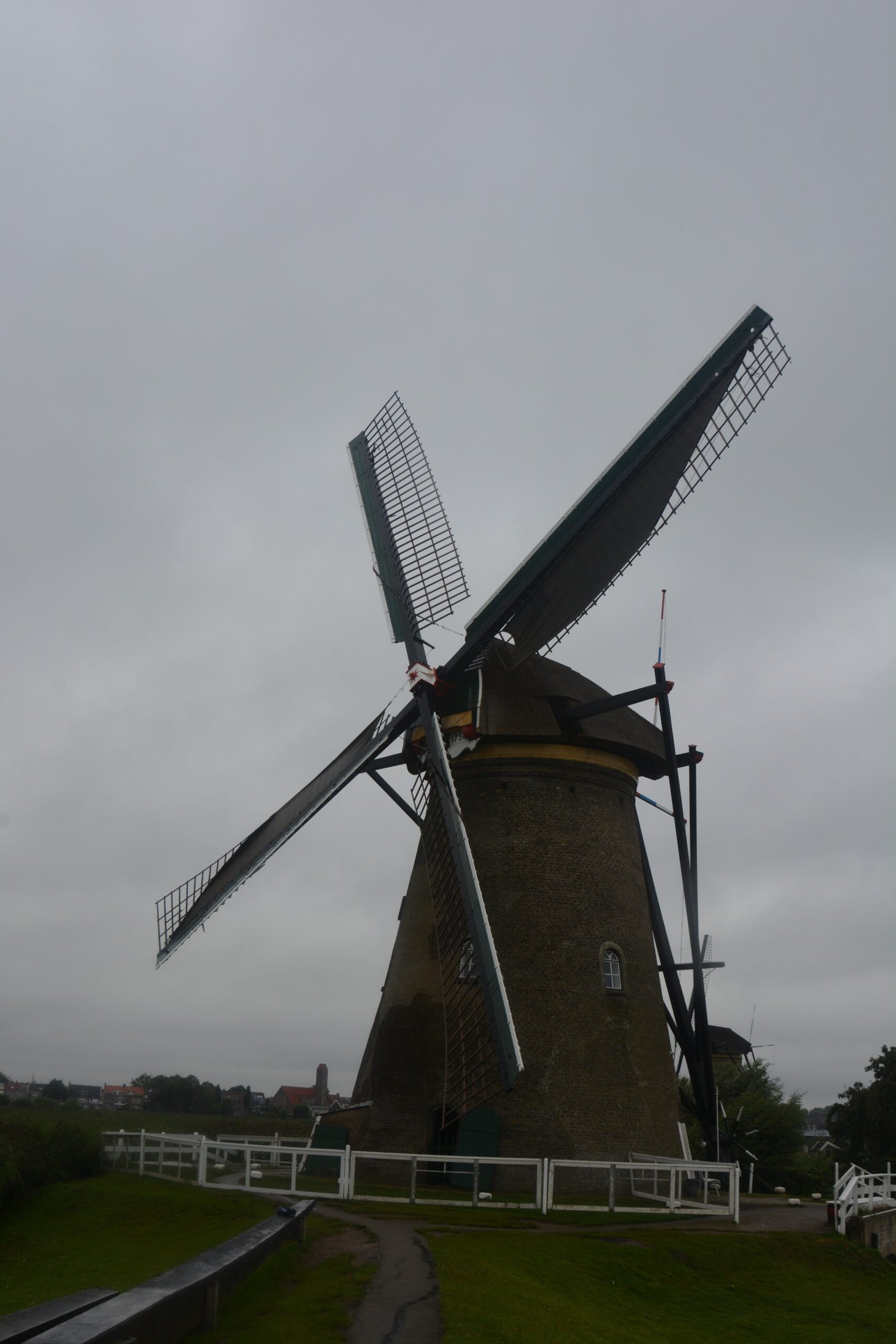
Into The Wind
A view with sails facing the wind. The upper section can be rotated by the mill keeper so the sails are facing into the wind and capturing maximum power
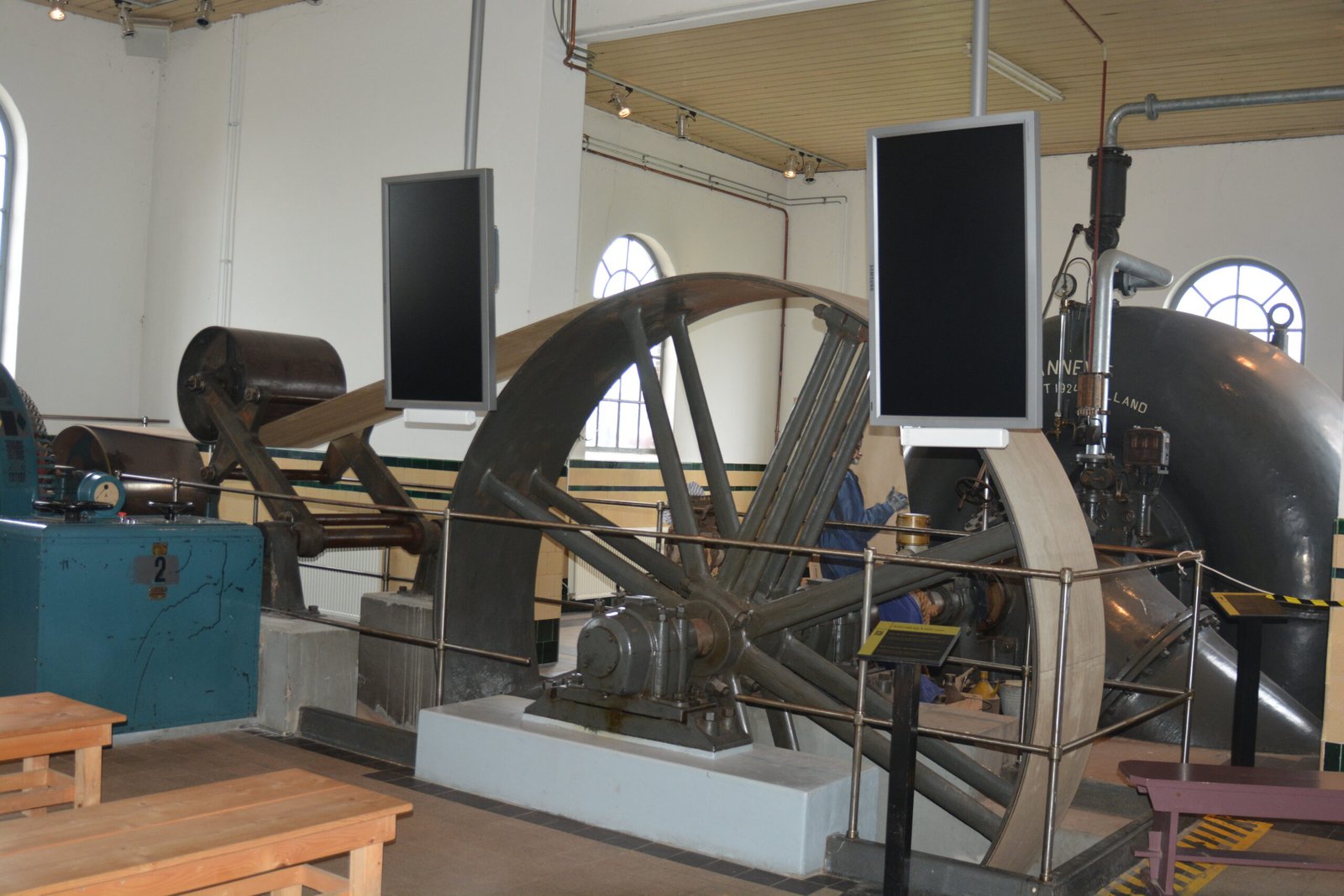
The Steam-Powered Pumping Station Machinery
A steam engines engine was installed in 1868 to power the pumping station and manage water levels, as an alternative to the windmills. The station was converted to diesel-electric power in 1924, making this engine a historic artifact, still on display in the Wisboom pumping station
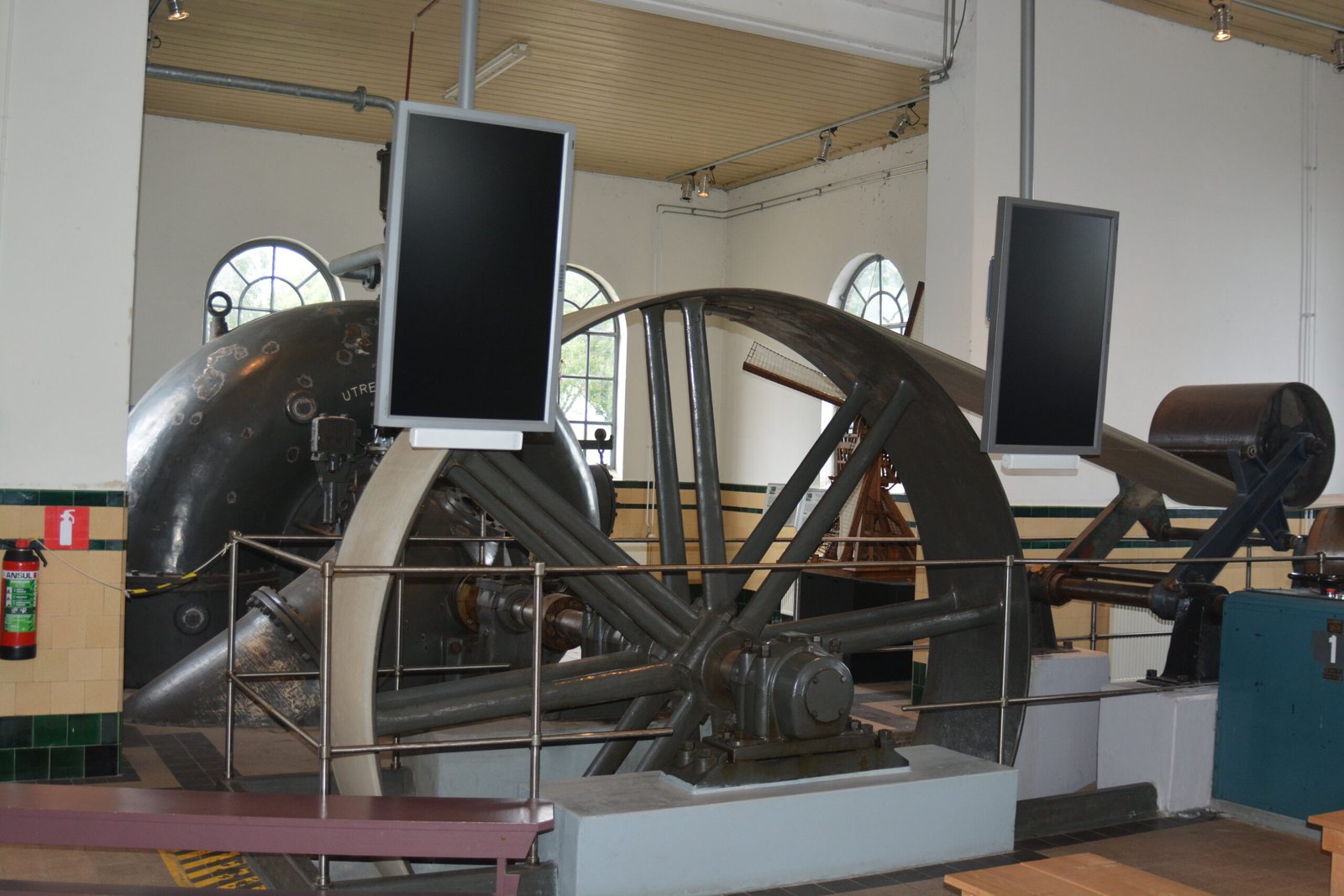
The Steam-Powered Pumping Station Machinery
A steam engines engine was installed in 1868 to power the pumping station and manage water levels, as an alternative to the windmills. The station was converted to diesel-electric power in 1924, making this engine a historic artifact, still on display in the Wisboom pumping station. The hanging screens are interpretive guides explaining the exhibit.
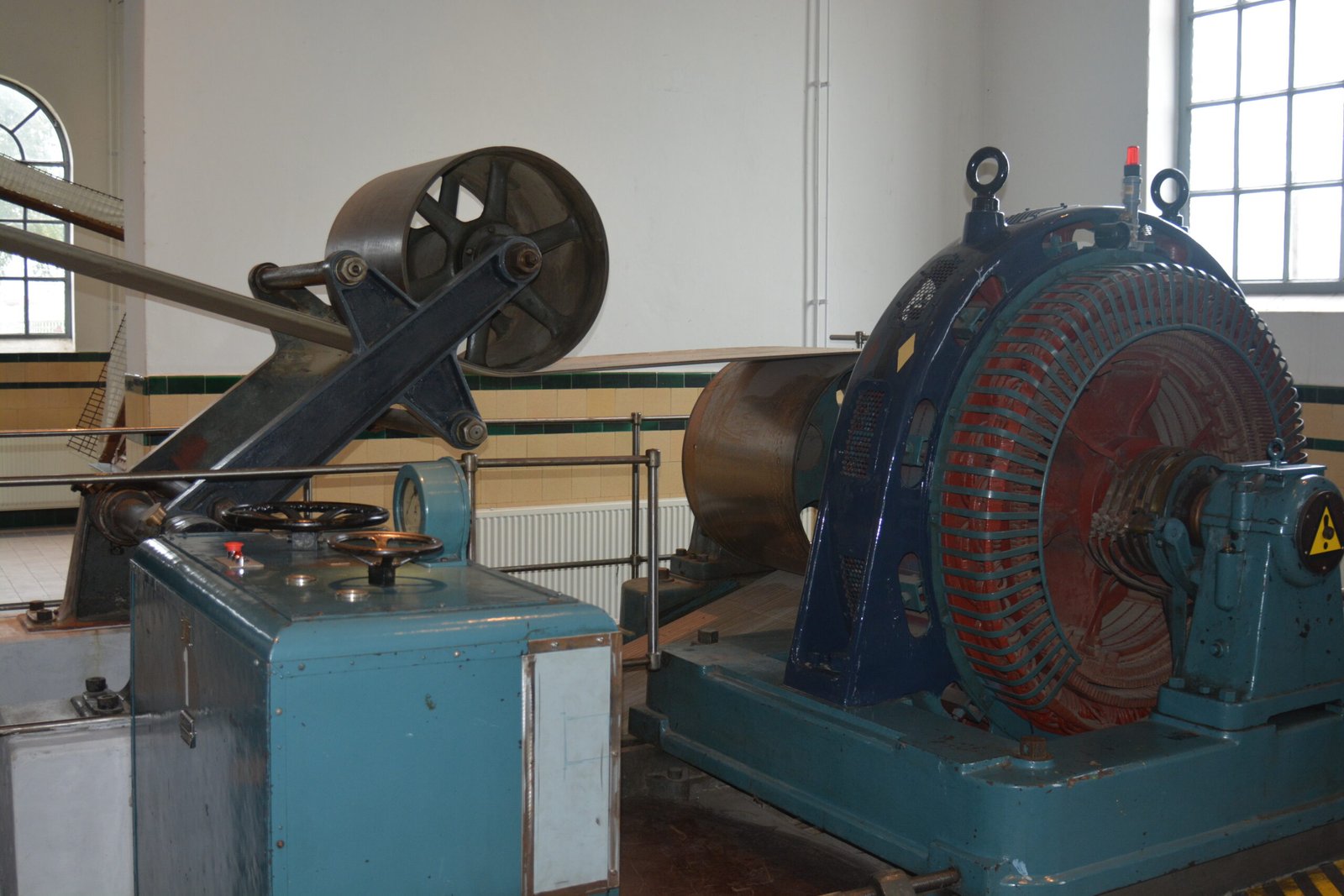
The Steam-Powered Pumping Station Machinery
A steam engines engine was installed in 1868 to power the pumping station and manage water levels, as an alternative to the windmills. The station was converted to diesel-electric power in 1924, making this engine a historic artifact, still on display in the Wisboom pumping station. The hanging screens are interpretive guides explaining the exhibit.
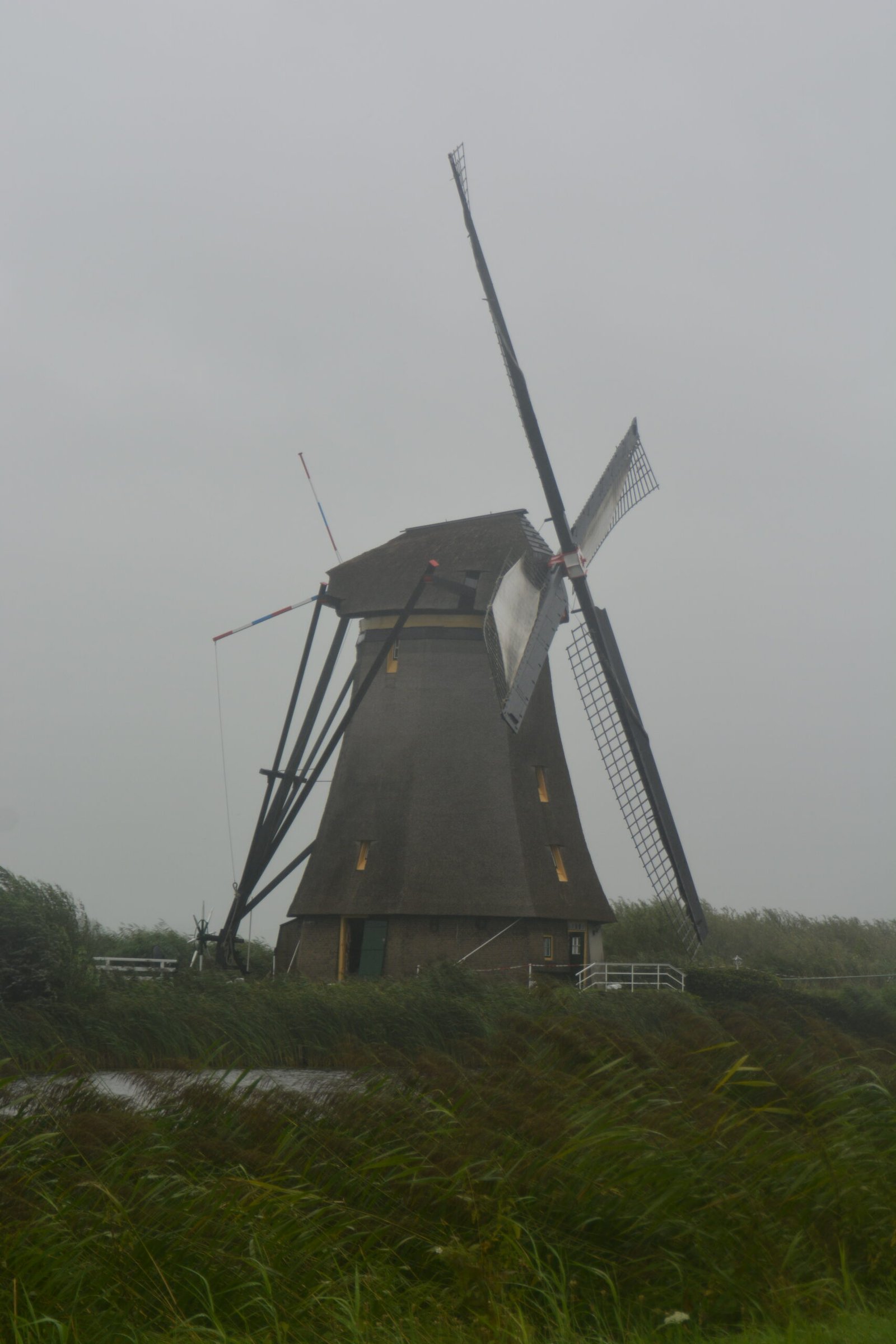
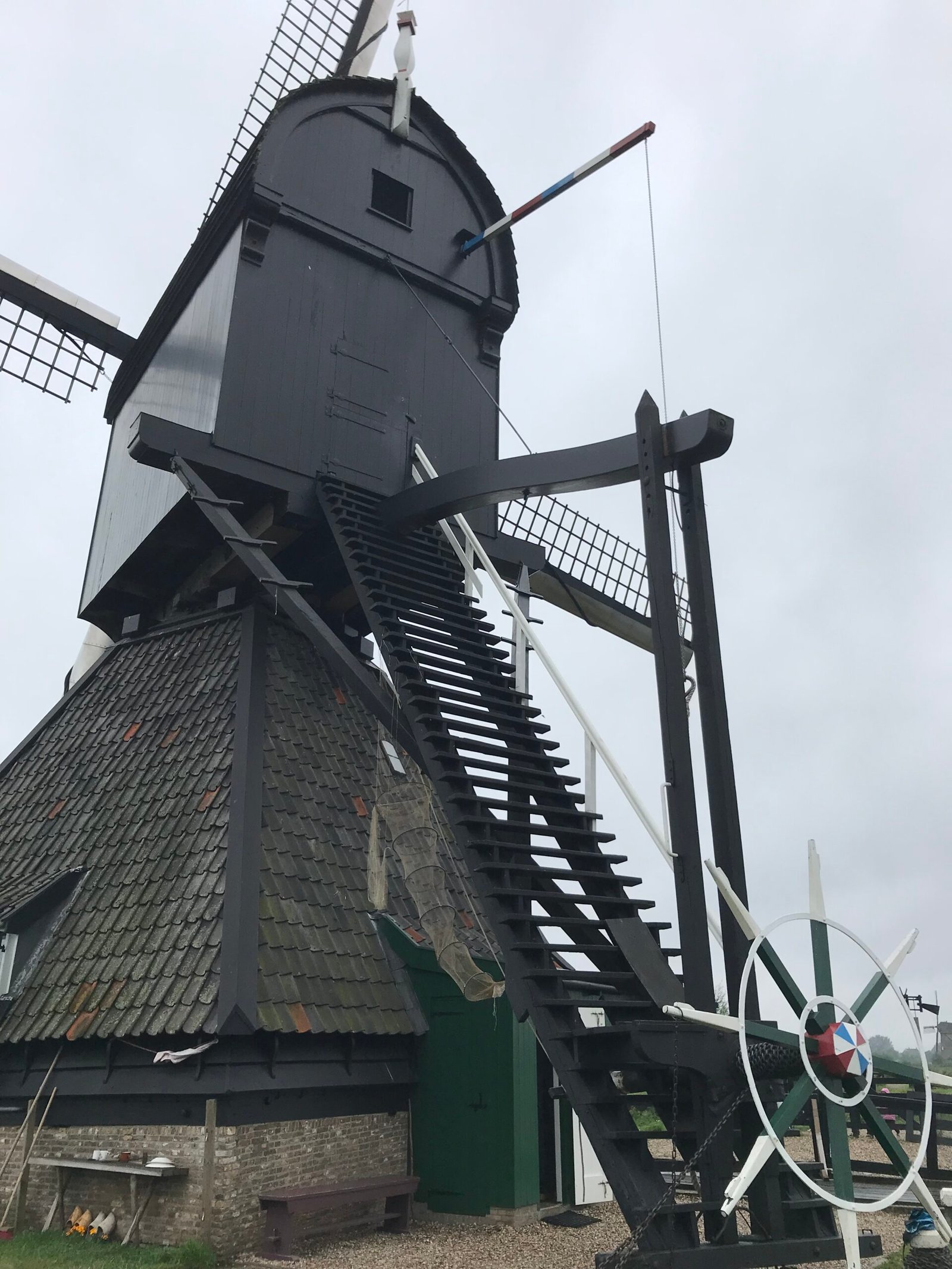
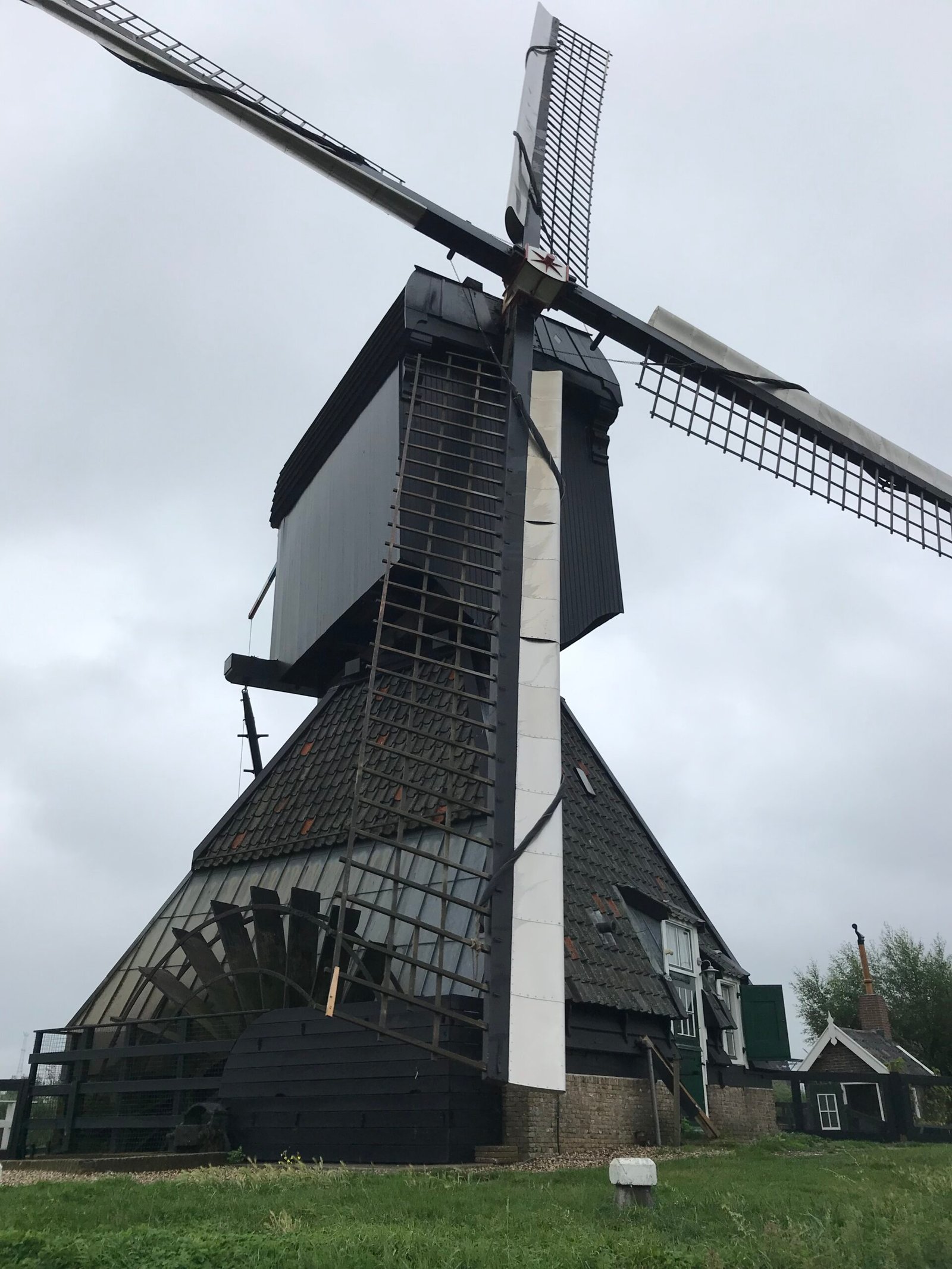
The Museummolen de Blokweer
The (The Museummolen de Blokweer ) Blokweer Museum Mill is the oldest windmill in Kinderdijk. A"wipmolen" (hollow post mill) dating back to 1631, it is 100 years older than the other mills and still in operation. It is also a living museum and tourists are able to explore the interior.
The Museummolen de Blokweer
The (The Museummolen de Blokweer ) Blokweer Museum Mill is the oldest windmill in Kinderdijk. A"wipmolen" (hollow post mill) dating back to 1631, it is 100 years older than the other mills and still in operation. It is also a living museum and tourists are able to explore the interior.
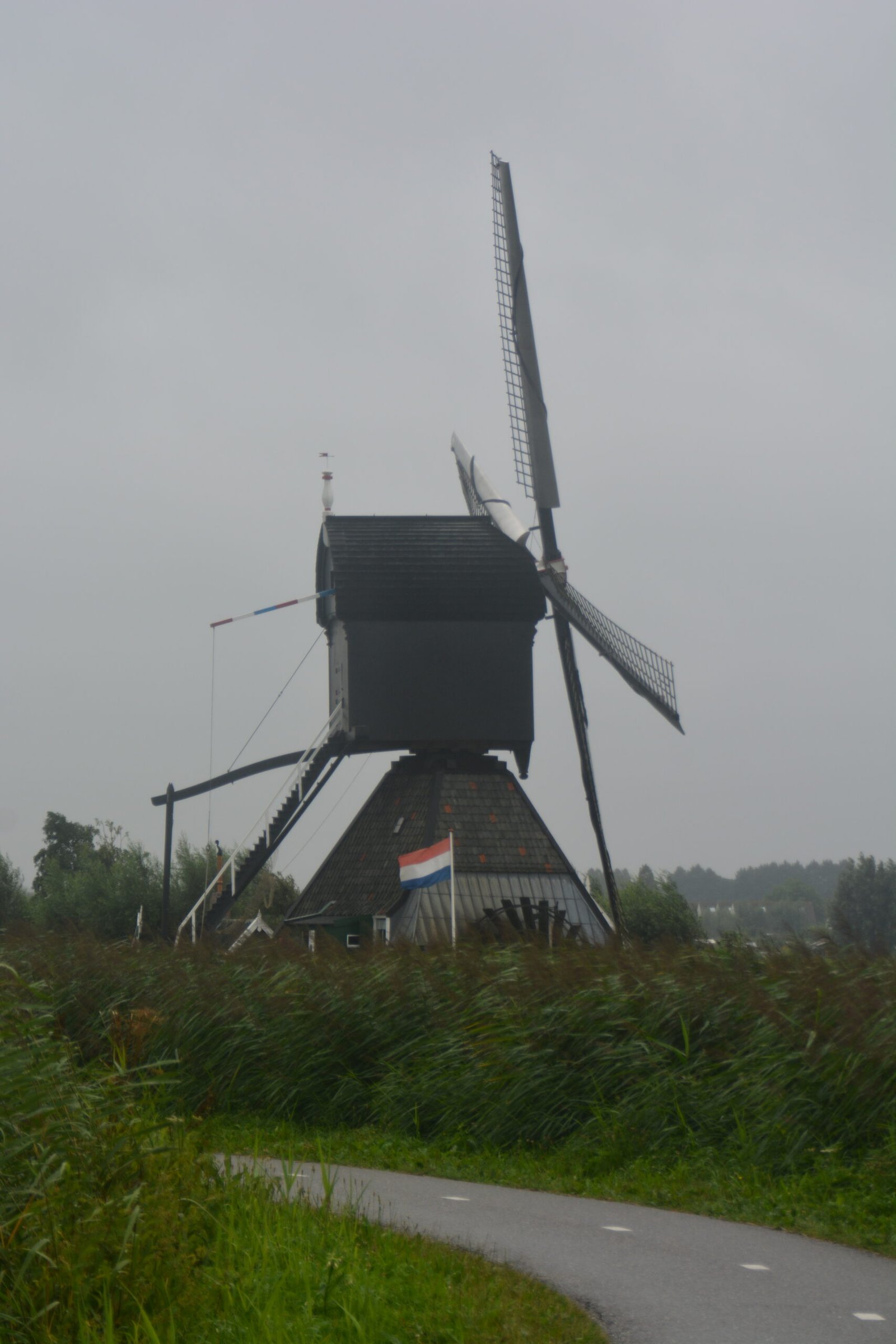
A View of A Windmill
A departing view of the Blokweer Museum Mill. Also known as the "Blokweerse Wip," this is a traditional Dutch hollow post windmill used for water management in the polders.
A Row of Windmills
Looking down the canal lined with windmills. This is the largest concentration of old windmills in the Netherlands.
Looking Across The Canal
Looking across the canal at one of the Kinderdijk windmills guarding it's plodder
A Final Look At the Kinderdijk Windmills
A final look back a the majestic windmills of the Kinderdijk
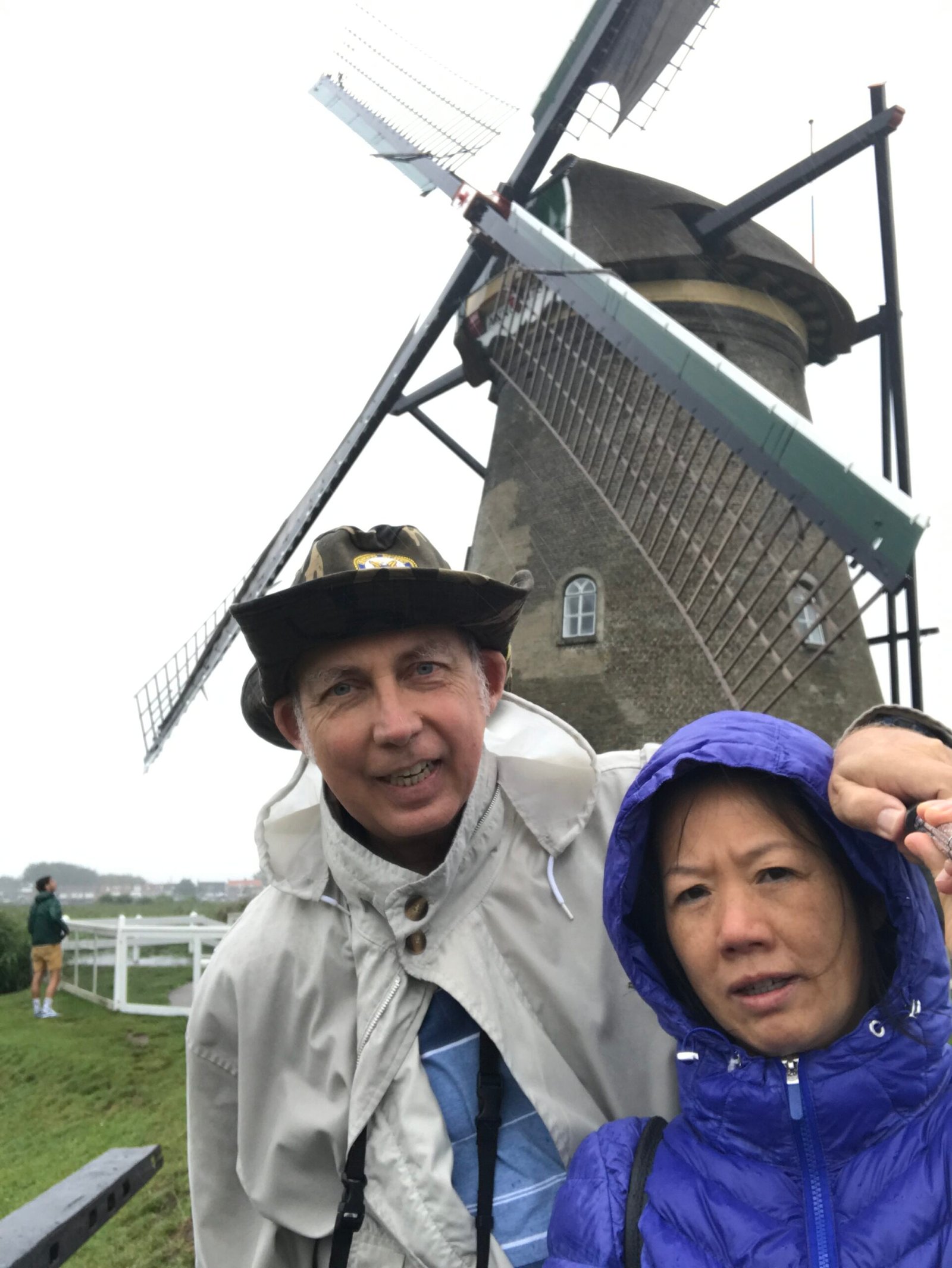
Intrepid Explorers of Kinderdijk
Ron and Winnie braving the rainy weather to explore the historic windmills of Kinderdijk.
We use cookies on our website to give you the most relevant experience by remembering your preferences and repeat visits. By clicking “Accept”, you consent to the use of ALL the cookies.
This website uses cookies to improve your experience while you navigate through the website. Out of these, the cookies that are categorized as necessary are stored on your browser as they are essential for the working of basic functionalities of the website. We also use third-party cookies that help us analyze and understand how you use this website. These cookies will be stored in your browser only with your consent. You also have the option to opt-out of these cookies. But opting out of some of these cookies may affect your browsing experience.
Necessary cookies are absolutely essential for the website to function properly. These cookies ensure basic functionalities and security features of the website, anonymously.
Cookie
Duration
Description
cookielawinfo-checkbox-analytics
11 months
This cookie is set by GDPR Cookie Consent plugin. The cookie is used to store the user consent for the cookies in the category "Analytics".
cookielawinfo-checkbox-functional
11 months
The cookie is set by GDPR cookie consent to record the user consent for the cookies in the category "Functional".
cookielawinfo-checkbox-necessary
11 months
This cookie is set by GDPR Cookie Consent plugin. The cookies is used to store the user consent for the cookies in the category "Necessary".
cookielawinfo-checkbox-others
11 months
This cookie is set by GDPR Cookie Consent plugin. The cookie is used to store the user consent for the cookies in the category "Other.
cookielawinfo-checkbox-performance
11 months
This cookie is set by GDPR Cookie Consent plugin. The cookie is used to store the user consent for the cookies in the category "Performance".
viewed_cookie_policy
11 months
The cookie is set by the GDPR Cookie Consent plugin and is used to store whether or not user has consented to the use of cookies. It does not store any personal data.
Functional cookies help to perform certain functionalities like sharing the content of the website on social media platforms, collect feedbacks, and other third-party features.
Performance cookies are used to understand and analyze the key performance indexes of the website which helps in delivering a better user experience for the visitors.
Analytical cookies are used to understand how visitors interact with the website. These cookies help provide information on metrics the number of visitors, bounce rate, traffic source, etc.
Advertisement cookies are used to provide visitors with relevant ads and marketing campaigns. These cookies track visitors across websites and collect information to provide customized ads.